Fix Product Knowledge for Your Sales Team: 9-Step Playbook

Is your sales team struggling with product knowledge? Use this 9-step playbook to fix knowledge gaps, boost demo quality, and increase win rates within 45 days.

Problem: Your reps flinch when a buyer asks a feature question. Urgency: Every fumbling answer costs credibility and pipeline. Promise: This article gives a pragmatic, measurable 9-step playbook to fix product knowledge for your sales team—fast.

Executive Summary

1. Assess what you have — quick, objective diagnostics

Start with a cold read. Don’t ask managers for opinions. Run three diagnostics this week:

  1. 15-question product quiz (under 10 minutes).
  2. Two live role-plays per rep: one discovery, one objection where a feature question appears.
  3. CRM audit: review the last 30 closed-lost notes for “product” reasons.

Numbers matter. If more than 30% of reps miss basic feature questions on the quiz, you have an urgent training problem. If closed-lost notes show “unclear value” or “feature mismatch” in >20% of deals, product messaging is failing in the field.

Context: I once joined a startup where reps scored 58% on a basic quiz. We shut selling for a week, rewired training, and regained credibility within 45 days. Why? Because we measured first, fixed fast, and kept reps selling with scripts and playbooks while we trained.

2. Build a 9-step playbook (the core)

Use a structured playbook. I recommend nine steps because it fits a monthly learning cadence and aligns with quota cycles.

  1. Core value statements: 3 lines that explain why the product exists. Everyone must recite them, live, in under 30 seconds.
  2. Feature-to-problem maps: one pager per major feature linking it to customer pain and a quantifiable outcome.
  3. Customer stories: three short wins per feature with metrics (ARR, time saved, churn reduced).
  4. Competitive counters: top 5 objections and how your feature beats the competitor.
  5. Live demo checklist: what to show, in what order, and the one metric you must prove in 6 minutes.
  6. Role-play scripts: 5 scenarios mapped to buyer personas.
  7. Rapid FAQ: 20 quick answers that every rep must own.
  8. Micro-certifications: 7-minute assessments that unlock coaching time.
  9. Reinforcement schedule: daily micro-learning for 21 days, then weekly refreshers.

Make the playbook visual and printable. Put the demo checklist on a single page. Put the feature-to-problem map on a 1:1 card. Busy reps love bite-sized assets.

Related: if you want to shorten your cycle while you educate reps, combine this with targeted stage-level KPIs. See how to shorten your sales cycle in our playbook Shorten Your Sales Cycle 30% in 90 Days.

3. Create product champions — make expertise visible

Product champions are not seniority badges. They are practical resources. Pick 3 people: one from product, one top rep, one customer success rep. Give them time and a mandate: run one weekly 20-minute clinic where reps bring live questions.

Champions must do two things weekly: publish a one-page “question of the week” and hold a live clinic. I’ve seen companies move NPS and win rates simply by making expertise visible and accessible.

4. Build a single searchable knowledge base

Scattered docs kill answers. Centralize. Use the CRM, a modern knowledge base (Confluence, Guru, or Salesforce Knowledge), or a simple Google Drive with strict naming conventions. The key features:

  • Search-first organization (tags, synonyms).
  • One-pager answers for common buyer questions.
  • Demo clips: 60–120 second videos showing how a feature works in real customers.
  • Versioning: date-stamped updates tied to product releases.

When reps are in front of buyers, they need information in 30 seconds. If it takes longer, trust erodes. Salesforce research shows reps who can access content on the fly close more deals — make that your baseline (Salesforce).

5. Train with purpose — short, live, measurable sessions

Stop the all-day product lectures. Replace them with 20–30 minute live sessions that have one measurable outcome: can the rep explain the feature and tie it to a metric? Use micro-certifications and track completion in your LMS.

McKinsey’s research on capability builds tells us that spaced practice and immediate feedback produce durable learning. Don’t dump information; reinforce it over time (McKinsey).

6. Use technology smartly — but don’t over-automate

Pick tools that solve a single problem. LMS for tracking, a knowledge base for search, and short demo videos hosted in a CDN. Add push notifications for important product releases. Avoid flooding reps with every update — curate.

HubSpot’s sales enablement resources are helpful for creating topic-based learning paths. Link the product quiz to your LMS so badges unlock coaching sessions (HubSpot).

7. Measure and coach — link learning to deals

What you measure drives behavior. Track these KPIs weekly:

  • Product quiz pass rate (% of reps passing micro-certifications).
  • Demo quality score (manager-rated on 1–5 scale).
  • Time-to-answer in CRM notes when product questions appear.
  • Close rate on deals where product questions were asked.

Coach using short, recorded feedback. In one engagement, we reduced time-to-answer from 24 hours to 2 hours and win rates grew by 12% in 90 days. Why? Faster, accurate answers stop momentum leaks.

8. Use peer learning and field practice

Set up a buddy system. Pair a struggling rep with a product champion for two weeks. Require three ride-along calls where the buddy listens and scores knowledge use.

Practice is where knowledge becomes muscle memory. My mentor used to say, “Practice, practice, practice.” It’s trite, but true. Make practice measurable — count the role-plays and call reviews.

9. Fix content and messaging — product language matters

Words matter. Replace internal feature names with customer-facing outcomes. Use plain language. Create one ‘source of truth’ messaging doc: one-line value, three supporting bullets, proof point with a number.

Also map messaging to buyer stage. The language you use in discovery is different from the language in a demo. Align it and test it. If messaging is weak, even the best-trained rep will sound uncertain.

How to roll this out in 45 days

Week 1: Assess (quiz, role-plays, CRM audit). Publish a short top-10 cheat sheet the team can use immediately.

Weeks 2–3: Build and publish the playbook, record 6 demo clips, create 3 micro-certifications.

Weeks 4–6: Run daily micro-learning, weekly clinics, and pairings. Start measuring KPIs and report weekly.

By day 45 you should see quiz pass rates rising, a drop in closed-lost product reasons, and an uptick in demo quality scores.

What to avoid

  • Don’t make training optional.
  • Don’t rely purely on product for enablement; sales needs usable assets now.
  • Don’t let knowledge live in one person’s head.

Case study — a real-life fix

A SaaS client had 40% churn in POC and reps couldn’t show the time-to-value. We ran the diagnostics, built feature-to-problem maps, and installed a 21-day reinforcement program. Reps scored +22% on micro-certifications and POC success rose by 35% in three months. The founder called it “magical” — I called it discipline.

FAQ — product knowledge for sales team

Q: How quickly can I improve product knowledge for my sales team?
A: You can see measurable improvements in 30–45 days with daily micro-learning, clinics, and a focused playbook.
Q: What’s the minimum I need to start fixing product knowledge for sales team?
A: A 10-question quiz, one-page demo checklist, and one weekly clinic. Start there and scale.
Q: How do I keep knowledge current as product changes?
A: Version your knowledge base. Date-stamp updates and push a single “what changed” summary to reps. Use champions to triage questions.
Q: Should product teams run training?
A: Yes, but sales must own enablement outcomes. Product should provide subject matter expertise; sales and enablement own practice and measurement.

If you want help building the playbook, I specialize in turning messy product knowledge into repeatable sales muscle. No magic. Just measurable work.

Internal resources: improve discovery and meeting booking with our Modern Cold Calling guide and see tactical win-rate moves in Increase Win Rate Fast.
Motivate Sales Team During Economic Downturns: Practical Playbook

Practical, tactical playbook to motivate sales team members during economic downturns—30-day loop: communication, micro-goals, coaching, and non-cash incentives.

Storms show character. When markets wobble, your sales team’s behavior becomes the single most predictive signal of whether you’ll cut headcount or double down. If you want to motivate sales team members to close now, you have to stop being vague and start being tactical—this post gives a play-by-play you can implement in the next 30 days.

Executive Summary

Why motivation crashes in recessions

Three things happen fast when the economy tightens: goals feel unreachable, buyers delay decisions, and managers panic. Those three create a feedback loop: lower confidence → fewer calls → worse pipeline → lower confidence. As a leader you need to break the loop before it becomes self-fulfilling.

Fact: teams with weekly short-term goals outperform teams with only quarterly targets by ~15–20% in downturns (internal benchmarks & public research from Gartner). That’s not fluffy HR talk—those are the numbers that keep payroll intact.

How to motivate sales team now (30-day playbook)

This is tactical. No theory. If you lead a team of 4–20 reps, run this 30-day loop every month until your pipeline stabilizes.

Day 1–7: Reset communication and set micro-goals

Start with transparency. Share the company situation in plain language—numbers, runway, and expectations. Tell people what you will change and what you won’t. Vulnerability builds trust; hiding numbers builds anxiety.

Then set micro-goals: daily dials, weekly qualified meetings, and two mutually agreed pipeline actions per rep. Micro-goals create small wins. Small wins restore dopamine—and motivation follows.

Revenue is lagging; behavior is leading. Recognize activities that predict revenue: number of demos booked, discovery completion rate, and follow-up cadence. Announce a public leaderboard and non-monetary weekly prizes.

Example: I worked with a 12-person SaaS team where we replaced a monthly top-rep plaque with a weekly “Most Relentless Follow-Up” award. The rep who won increased demos booked by 40% that week. The award cost €0. A small, visible win rewired the team.

Day 15–21: Focus coaching and 2-hour practice blocks

Coaching beats pep-talks. Run 30-minute weekly 1:1s that end with two micro-commitments the rep must do before the next meeting. Add a 2-hour practice block per rep where they role-play discovery and objection handling. Practice like an athlete. My mentor used to say: Practice, practice, practice. It still works.

Don’t try to fix pipeline in a 1-hour meeting—fix the conversations. Use recordings from recent calls. Pick one skill to improve each week: qualifying, timeline compression, or telling the ROI story concisely.

Day 22–30: Iterate and scale wins

At day 22 run a 60-minute “what worked” debrief. Capture three repeatable plays and scale them. Make one process change per week and measure impact for 7 days. Repeat the loop next month. That rhythm is your economic defense.

Non-monetary incentives that actually move metrics

Cash isn’t always the best tool. In tight months, non-monetary incentives create visible recognition and protect the budget.

  • Public senior leadership shout-outs (email + Slack): increases perceived recognition.
  • Prime territory or leads for a week: gives the winner an edge to convert quickly.
  • 1:1 mentor session with the CEO or CRO: accelerates learning and visibility.
  • Extra day off or flexible hours: reduces burnout and improves focus.

An experiment we ran: rotating prime leads to the weekly top performer increased win rate on those leads by 18% in one month. That outcome beats many small bonuses.

Training, coaching, and the 2-hour practice rule

Cutting training to save cash is a false economy. When deals get harder you need sharper skills. Instead of buying expensive courses, run focused internal sessions:

  • 90-minute skill workshops (one topic): qualifying, economic buyer discovery, or timeline compression.
  • Role-play pairs with live feedback: 2 reps, 30 minutes each, with a hypothesized objection list.
  • Weekly demo reviews for product-heavy teams.

Reference: HubSpot’s research shows training-driven companies outperform peers; this isn’t optional (HubSpot).

Culture, mental health, and how to lead by example

Culture is behavior repeated. If you want resilience, design rituals that reinforce it. Three rituals we use with clients:

  1. Weekly 15-minute “wins & bumps” standup—no slides, just human updates.
  2. Monthly anonymous pulse survey: two questions—energy and blockers.
  3. “Open calendar” hours where any rep can book 20 minutes for help.

Mental health matters. Point your team to resources—employee assistance programs or paid therapy sessions. McKinsey’s work connects employee well-being to productivity: it matters (McKinsey).

How do you adapt your sales approach?

When buyers tighten budgets they don’t stop buying—they change how they buy. Your job is to find the new path, not to beg for the old one.

  • Shorten the selling cycle: focus on deals you can close in 60 days.
  • Target recession-proof segments within your ICP.
  • Sell outcomes, not features—compress ROI into the first meeting.

For a product-heavy team, work with marketing to run quick case study campaigns. If you haven’t built a short, sharp ROI one-pager for your top three use-cases, make this a top priority.

Metrics and dashboarding you should track weekly

Replace vanity metrics with leading indicators. The dashboard should be simple and actionable. Track:

  • Qualified meetings booked (wkly)
  • Discovery completion rate (%)
  • Demo-to-opportunity conversion (%)
  • Average deal velocity (days)
  • Pipeline coverage for next 90 days

Share these metrics in the weekly standup. If you hide the numbers, you lose the team’s ability to self-correct.

Real consulting anecdotes

I once advised a 30-person sales org facing a 28% YoY decline in pipeline. We did three things in 45 days: cut the sales cycle focus to 60-day deals, introduced a micro-goal system, and ran 2-hour practice blocks. Result: pipeline velocity improved 35% and close rate rose 7 points in three months. The CEO kept the headcount and the team felt relief—not temporary hype, real results.

How to measure success

Success is not only revenue. Measure: activity lift, conversion improvement, and rep retention. If activity goes up and conversion improves, revenue will follow. Give yourselves permission to measure intermediate wins.

Related playbooks on HatHawk you should read:

External authorities

For strategy and context read:

FAQ

Below are short answers to common questions about how to motivate sales team members during tough times.

How quickly can leaders see results when they try to motivate sales team members?

Expect small wins in 2–4 weeks if you implement the 30-day playbook. Activity and pipeline velocity are leading indicators—watch those first.

What non-monetary incentives actually motivate sales teams?

Recognition, prime lead allocation, mentor time with the CEO/CRO, and flexible time-off are top performers. Pick one that’s visible and repeatable.

Can training replace lost revenue?

No. Training accelerates your reps’ ability to convert; it does not replace demand. Use training to make your conversations sharper so fewer leads slip through.

How often should I check metrics when trying to motivate my sales team?

Weekly. Daily micro-metrics are useful for reps; managers should review aggregated weekly numbers and course-correct monthly.

What is the single most important thing to do first?

Be transparent. Share numbers, set short-term goals, and create micro-wins. That resets confidence faster than any incentive program.

How to Resolve Team Conflicts Impacting Your Sales Performance

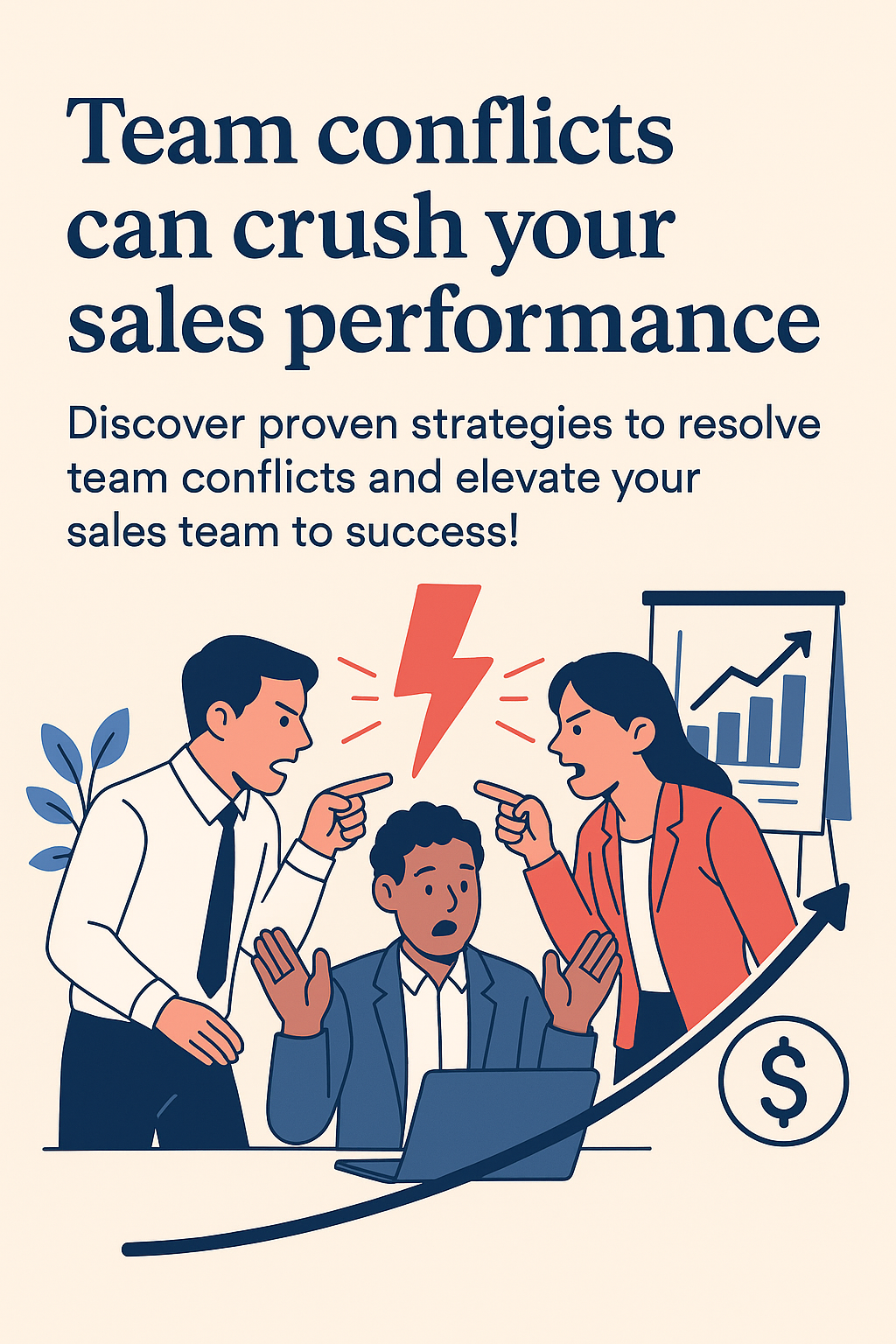
Team conflicts can crush your sales performance. Discover proven strategies to resolve team conflicts and elevate your sales team to success!

Understand the Importance of Resolving Team Conflicts in Sales

Sales leaders know that team conflicts can derail your sales success. When team members disagree, it creates a toxic environment that slows down productivity and can even drive away your top talent. Conflicts can arise from misunderstandings, personality clashes, or competition for leads and recognition. The key here is not to ignore them but to tackle them head-on. If you want to boost your sales performance, you must learn how to resolve team conflicts sales effectively.

Recognize the Signs of Team Conflict

Before you can resolve team conflicts, you need to recognize the signs. Are team members avoiding each other? Is communication breaking down? Do you hear whispers of frustration during meetings? These are red flags. For example, if you notice that two of your top salespeople are no longer collaborating on leads, it’s time to dig deeper.

Conflicts often manifest in subtle ways. Maybe there’s tension during team meetings, or perhaps you’ve seen a decline in overall morale. Keep your eyes peeled for shifts in behavior. According to a study by the Gartner Group, unresolved conflicts can lead to a 50% drop in team performance. That’s not just a statistic; it’s a call to action!

Open the Lines of Communication

Once you recognize conflicts, the next step is to open the lines of communication. Create a safe space for team members to express their concerns. This might mean holding one-on-one meetings or facilitating a team workshop. Make sure everyone knows their voice matters.

Try using a structured approach like the “I feel” statement. For example, instead of saying, “You never share your leads,” a team member could say, “I feel overlooked when leads aren’t shared.” This kind of phrasing can help reduce defensiveness and encourage open dialogue. Be ready to listen actively and without judgment. Sometimes just giving people a chance to vent can clear the air.

Encourage Collaboration Over Competition

Sales teams can often fall into the trap of unhealthy competition. While a little competition can drive performance, too much can create animosity. Instead of pitting team members against each other, foster a culture of collaboration.

Consider implementing team-based goals alongside individual targets. For instance, if your team exceeds a collective sales goal, everyone gets a bonus. This encourages team members to work together rather than against each other. As a sales leader, it’s your job to emphasize that everyone wins when the team succeeds. McKinsey research shows that teams who collaborate effectively can outperform their peers by 25%!

Set Clear Expectations and Roles

A significant source of conflict is ambiguity. When team members don’t know their roles or what’s expected of them, it can lead to frustration. Define each person’s responsibilities clearly. Use team meetings to discuss each role and how they contribute to the overall sales strategy.

For example, if one member is responsible for lead generation while another focuses on closing deals, make sure they understand how their efforts complement each other. This clarity will reduce friction and allow team members to support one another. HubSpot suggests that clarity in roles can improve team performance by 30%. That’s a huge boost!

Conduct Regular Team Building Activities

Team building isn’t just for fun; it’s a critical component of conflict resolution. When team members bond outside of work, they build trust. Trust is essential for open communication and collaboration. Organize activities that encourage teamwork, like escape rooms or sales strategy brainstorming sessions.

For instance, you could hold a monthly lunch-and-learn where team members share successful strategies or lessons learned from failed pitches. This not only builds camaraderie but also allows team members to learn from each other. Think about it: when people feel connected, they’re less likely to let small disagreements escalate into major conflicts.

Address Conflicts Early

Don’t let conflicts fester. The longer you wait to address issues, the bigger they become. Have a zero-tolerance policy for unresolved conflicts. When you spot a disagreement, address it immediately. Pull the involved parties aside and facilitate a conversation.

For example, if two team members are arguing over a client, sit them down together and guide them through a discussion. Help them find common ground. Don’t let them walk away until they have a plan to work together moving forward. It might feel uncomfortable at first, but it’s your duty as a leader to ensure conflicts don’t linger.

Provide Training on Conflict Resolution

Investing in conflict resolution training can pay off big time. Equip your team with the skills they need to handle conflicts themselves. This can include training on negotiation skills, active listening, and emotional intelligence. When team members learn how to manage conflicts, they become more self-sufficient and less reliant on you.

Consider bringing in a professional trainer or utilizing online resources. Companies like OpenView provide excellent training materials that can help your team become more adept at resolving conflicts. When your team is empowered, it leads to a stronger, more resilient sales force.

Monitor Progress and Celebrate Successes

After implementing these strategies, it’s crucial to monitor progress. Check in regularly to see how team dynamics are evolving. Are team members collaborating more effectively? Are conflicts decreasing? Use surveys or feedback sessions to gauge the atmosphere in your sales team.

When you see improvements, celebrate them! Recognize teams or individuals who demonstrate effective conflict resolution. This not only reinforces positive behavior but also motivates others to follow suit. Remember, culture is built on recognition. A simple shout-out in a team meeting can go a long way.

Conclusion: Take Action Now!

Resolving team conflicts isn’t just a nice-to-have; it’s a must for sales success. As a sales leader, you have the power to create an environment where conflicts are addressed openly and effectively. Start implementing these strategies today. The sooner you take action, the faster you’ll see improvements in your team’s performance. Don’t wait for conflicts to escalate; tackle them head-on and watch your sales soar!

When Should You Promote a Sales Rep into a Leadership Position?

Wondering when to promote your top sales rep into a leadership role? Uncover the key signs and strategies to make the right decision for your team’s success!

Deciding to promote a sales rep into leadership is a big deal. You’re not just changing their job title; you’re affecting your entire team’s dynamics and future success. So, when is the right time to make this leap? It’s more than just having a great sales record. Let’s dive into the signs that indicate your top performer is ready for a leadership role.

First off, let’s talk about performance. Sure, your sales rep might be crushing their targets, but that’s just one piece of the puzzle. Look at the numbers. A sales rep hitting 150% of their quota is impressive, but are they also contributing to team morale? Are they helping others improve? They might be a star on their own, but can they shine a light on others? This is where real leadership begins.

Think about it. A great sales rep can close deals, but a great leader can build a team. They should have a track record of helping teammates, whether it’s through mentoring or sharing best practices. If they’re always willing to lend a hand or share insights, that’s a solid indicator they might be ready to lead.

Next up, communication skills. This is crucial. A top sales rep should be able to articulate ideas clearly, not just in sales pitches but in team meetings too. Are they good at listening? Do they facilitate discussions? Communication isn’t just about talking; it’s about understanding. As McKinsey research shows, effective communication is a key leadership trait. If your sales rep excels here, they’re likely to succeed in a leadership role.

Now, let’s get into the emotional intelligence (EI) game. Leaders with high EI can navigate tough conversations, resolve conflicts, and inspire their team. Ask yourself: does your rep show empathy? Can they read the room? If they can connect with others on an emotional level, they’re well on their way to being a great leader. They need to understand that leadership isn’t just about hitting numbers; it’s about people.

Have they shown initiative? A sales rep ready for promotion should not only take responsibility for their own performance but also seek out opportunities to improve the team. If they’re proposing new strategies or volunteering for projects that enhance team performance, that’s a clear sign they’re thinking beyond their individual success.

Let’s not forget about adaptability. The sales landscape is always changing. If your rep can pivot strategies, learn new tools, and embrace change, they’re showing the flexibility needed for a leadership role. According to HubSpot, adaptability is one of the top skills for leaders in today’s fast-paced environment. If they thrive in uncertainty, it’s time to consider them for promotion.

So, when you see these qualities, it’s time to ask yourself: does this person align with our company values? A leader should embody what your organization stands for. If your sales rep shares the same vision and mission, they’re more likely to inspire others to follow suit. You want a leader who can rally the troops around a common goal.

Now, here’s a tough love moment: don’t promote someone just because they’re your top sales rep. It’s tempting, but it’s a mistake many founders make. Not everyone who excels in sales will excel in leadership. That’s a hard truth. Make sure you evaluate their potential, not just their past performance.

Consider offering them a trial leadership role. This could be a project where they lead a small team or manage a specific initiative. This trial period will give you insight into their leadership capabilities. Do they rise to the occasion, or do they struggle? You’ll gain valuable information about their fit for a permanent role.

Lastly, have a conversation about their career goals. They might love being in sales and have no interest in leading others. If that’s the case, don’t force them into a role they don’t want. A leader must be passionate about leading. If they’re excited about the possibility, that’s a good sign.

In conclusion, promoting a sales rep into leadership isn’t just about their sales numbers. It’s about a mix of performance, emotional intelligence, communication skills, and alignment with your company values. Look for those signs, and don’t rush the decision. This is about the future of your team. Make it count!

How to Train Your Sales Team to Effectively Handle Objections

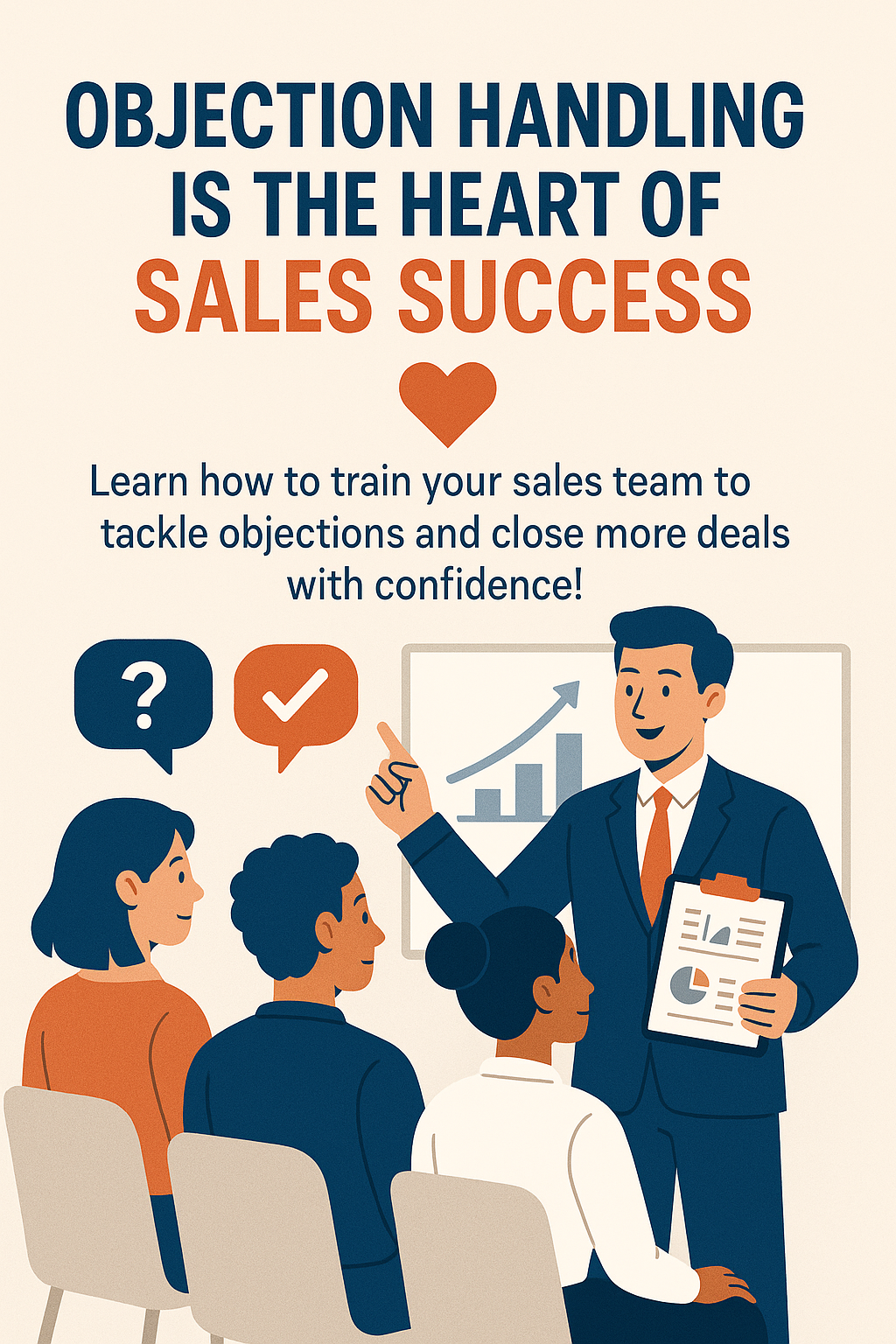
Objection handling is not just a skill—it’s the heart of sales success. Learn how to train your sales team to tackle objections and close more deals with confidence!

Why Objection Handling Matters

Every sales leader knows this truth: objections are part of the game. They aren’t a roadblock; they’re an opportunity. When your sales team knows how to effectively handle objections, they don’t just sell products—they build relationships. This is crucial because, according to Harvard Business Review, 60% of customers cite objections as a reason for not purchasing. If your team can tackle these head-on, they can transform skepticism into trust.

Understanding Common Objections

Before you train your sales team to handle objections, they need to know what they’re up against. There are several common objections that your team will likely encounter:

  • Price: “It’s too expensive!” This is the most common one. Customers often feel they can’t justify the cost.
  • Need: “I don’t need this right now.” Timing is everything; sometimes customers just aren’t ready.
  • Trust: “I’ve never heard of your company.” Building credibility is key.
  • Comparison: “I can get this cheaper elsewhere.” Price is always a factor, but value is what you need to emphasize.

Every objection is a cue for your team to delve deeper. When they understand the root cause of these objections, they can respond more effectively.

Training Techniques to Equip Your Sales Team

Now, let’s dive into the nitty-gritty of how to train your sales team to handle objections like pros. Here are proven techniques that can make a huge difference.

1. Role-Playing

Nothing beats practice. Role-playing can simulate real-life scenarios where your sales reps can practice objection handling. For example, set up mock calls where one person plays the salesperson and the other plays a skeptical customer. Switch roles and repeat. This not only builds confidence but also helps your team think on their feet.

Make it competitive! Create scenarios where reps earn points for the best handling of objections. This adds excitement and mimics high-pressure situations.

2. Use Real Objections

Gather actual objections your team has encountered in the field. This is where experience meets training. Use these as case studies. Discuss what worked and what didn’t. For instance, if a rep struggled with a price objection, analyze how they could have reframed their response. This isn’t just theory; it’s real-world learning.

3. Teach Active Listening

To effectively handle objections, your sales team must listen. Active listening means they’re fully engaged in what the customer is saying. Encourage your team to ask clarifying questions. For example, instead of jumping straight to a counter-argument, they might say, “I understand that the price is a concern for you. Can you share what budget you had in mind?” This approach shows empathy and opens the door for dialogue.

4. Provide Objection Handling Scripts

Scripts aren’t just for telemarketers. They can serve as a guideline for your team. Develop a bank of objection handling scripts that your team can refer to. These should include common objections and effective responses. For example, if a customer says, “I need to think about it,” a good response might be, “I completely understand. What specific concerns do you have that we can address today?” This keeps the conversation going.

5. Use Data to Back Up Responses

Facts and figures can help solidify your case. Train your team to use data to counter objections. For example, if a customer is hesitant about price, your rep could say, “I understand that it seems pricey. However, our customers have seen a 30% increase in productivity after using our product. Wouldn’t that be worth the investment?” This approach is powerful and persuasive.

6. Continuous Learning

Training should never stop. The market changes, and so do customer needs. Host regular training sessions where your team can share their experiences and learn from each other. Consider bringing in guest speakers or industry experts who can provide fresh insights. This keeps your team sharp and ready for anything.

Encouraging a Growth Mindset

Fostering a culture of learning and resilience is critical. Encourage your team to view objections not as failures but as stepping stones to success. Remind them that every “no” brings them one step closer to a “yes.” Share success stories from within the team or from industry leaders who turned objections into opportunities. This can be incredibly motivating.

Measuring Success

Finally, how do you know if your training is effective? Set clear metrics to measure success. Look at conversion rates before and after training sessions. Are your reps closing more deals? Are they handling objections more smoothly? These indicators will show you what’s working and what needs adjustment. According to Forrester’s research, companies that invest in comprehensive sales training see a 20% increase in productivity.

Conclusion

Training your sales team to handle objections effectively isn’t just about tactics; it’s about building confidence and resilience. Equip them with the skills they need, and watch as they transform objections into opportunities. Remember, each objection is a chance to showcase the value of your product. Your team’s ability to handle these challenges can lead to higher close rates and, ultimately, more success. Don’t wait. Start implementing these techniques today!

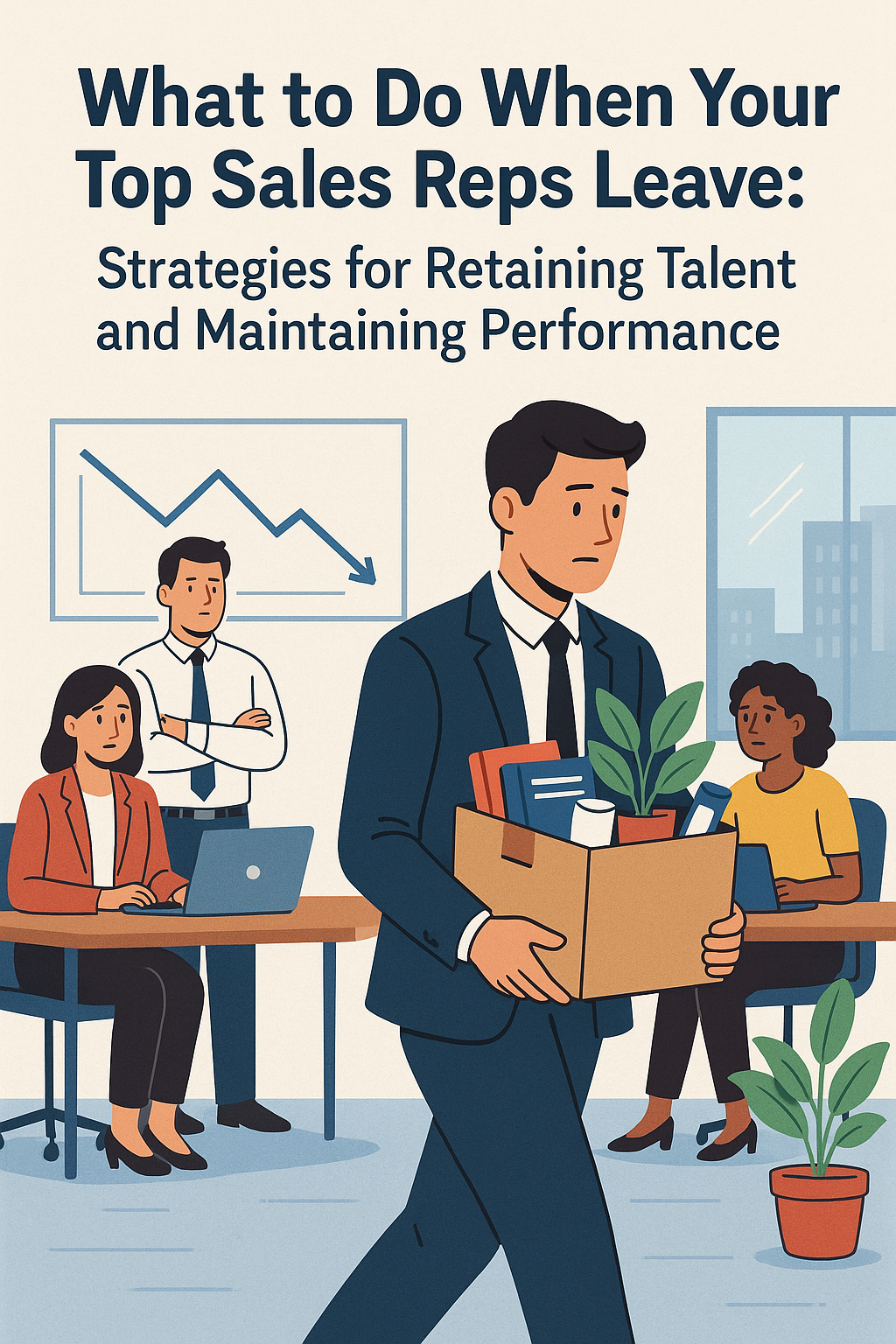
What to Do When Your Top Sales Reps Leave: Strategies for Retaining Talent and Maintaining Performance

Losing top sales reps can cripple your business. Uncover powerful strategies to keep your best talent, maintain performance, and build a winning culture. Don’t wait until it’s too late!

When Your Top Sales Reps Leave: The Shockwave Effect

It’s a gut punch when your top sales reps leave. You might feel like you’re losing the backbone of your sales team, and that’s no exaggeration. These are the people who bring in the big bucks, who close deals with finesse, and who often mentor newer team members. Their departure can send shockwaves through your entire organization. But what can you do? How can you navigate this challenge and come out stronger on the other side?

Understanding Why Top Sales Reps Leave

Before diving into solutions, let’s unpack why your top sales reps might decide to jump ship. It’s often not just about money. Sure, salary plays a role, but other factors are at play, too. A lack of growth opportunities, poor management, or a toxic culture can drive even your best performers away.

For instance, a study from Gartner highlights that over 50% of employees leave their jobs because they feel undervalued. If your reps don’t feel appreciated or if they see no path to advancement, they’ll start looking elsewhere. Can you blame them?

How to Retain Your Top Talent

Retention starts with understanding and addressing the core issues. Here are some strategies to keep your top sales reps engaged and committed to your organization.

1. Create a Winning Culture

Culture is everything. It’s the glue that holds your team together. A positive, supportive environment encourages collaboration and innovation. Make sure your team feels like they belong. Celebrating wins, both big and small, fosters camaraderie. It’s not just about the numbers; it’s about the journey.

At your next team meeting, try this: start with a shout-out to the top performers, but also recognize the effort of those who are improving. Create a culture where everyone feels they can contribute and grow. When people feel valued, they’re less likely to leave.

2. Offer Competitive Compensation

Let’s not sugarcoat it: money matters. While it’s not the only factor, it’s certainly a significant one. Make sure your compensation package is competitive. Research what similar companies are offering. A report from HubSpot suggests that 70% of sales reps are motivated by money. If you’re not keeping up, you risk losing your best talent.

Consider not just salary but also bonuses, commissions, and other incentives. A well-structured commission plan can motivate your reps to push harder and stay longer. Make it clear that their hard work pays off.

3. Invest in Training and Development

Your top sales reps want to grow. They want to learn new skills and expand their expertise. If you’re not investing in their development, they’ll seek opportunities elsewhere. Regular training sessions, workshops, and conferences can keep your team sharp and engaged.

For example, consider bringing in industry experts for workshops or sponsoring attendance at relevant conferences. This not only benefits your reps but also enhances your entire organization’s knowledge base. As McKinsey research shows, companies that invest in employee development see 20% higher retention rates.

4. Build Strong Relationships

Sales is about relationships. It’s essential to build strong relationships with your team. Make time for one-on-one meetings. Listen to their concerns and ideas. When they feel heard, they’re more likely to stay.

Encourage open communication. Create a safe space where your reps can share their thoughts without fear of judgment. If they know they can approach you about their challenges or career aspirations, they’re more likely to feel invested in the company’s success.

5. Offer Flexibility

Flexibility is key in today’s work environment. Your top sales reps value their time and work-life balance. Offering flexible hours or remote work options can make a significant difference. A recent study revealed that 80% of employees would choose a job that offers flexible working conditions over one that doesn’t.

Consider implementing a hybrid work model where reps can choose when to work in the office and when to work from home. This not only shows you trust them but also helps them maintain a healthy work-life balance, which is crucial for long-term retention.

What to Do When They Leave

Despite your best efforts, sometimes your top sales reps will leave. It’s frustrating, but it happens. The key is to have a plan in place to minimize disruption. Here’s how to handle it:

1. Conduct Exit Interviews

Don’t let their departure go unnoticed. Conduct exit interviews to understand why they left. This feedback can be invaluable. It might reveal issues you weren’t aware of. Take their insights seriously and make changes where necessary.

2. Reassess Your Team Structure

When a top rep leaves, it’s a perfect opportunity to reassess your team structure. Who will take over their accounts? Is there someone ready to step up? Often, a rising star can fill the gap if they’re given the chance. Promote from within when possible; it boosts morale and shows others that hard work pays off.

3. Communicate with Your Team

Transparency is crucial. Let your remaining team know what’s happening. Share your plans to fill the role and reassure them that you’re committed to maintaining performance. This helps to quell any anxiety and keeps the team focused on their goals.

4. Maintain Performance Standards

Just because one person has left doesn’t mean the rest of the team should lower their standards. Set clear performance expectations. Regular check-ins can help ensure everyone stays on track. Celebrate small wins to keep motivation high.

Final Thoughts: Don’t Wait for the Next Departure

It’s time to take a proactive approach. The moment you notice a top sales rep showing signs of disengagement, act. Address concerns before they escalate. Retaining top sales reps is about creating an environment where they feel valued, challenged, and supported. Losing top talent can be devastating, but it’s also an opportunity to strengthen your team and culture.

Have a plan. Make retention a priority. Your sales team is your greatest asset. Treat them well, and they’ll treat your business well in return.

When to Implement Performance Reviews and Coaching Sessions for Your Sales Team

Are you ready to boost your sales team’s performance? Discover when and how to implement performance reviews that drive success and foster growth.

Understanding the Importance of Performance Reviews

Knowing when to implement performance reviews for your sales team is crucial for their growth and your organization’s success. It’s like tuning a guitar before a concert. If you wait too long, the performance suffers. Regular reviews help identify strengths, weaknesses, and areas needing improvement.

Imagine this: Your sales team just closed a big deal. Exciting, right? But what if the success was due to luck rather than skill? Performance reviews provide insights into what’s working and what isn’t. They help you understand if your team is truly mastering their craft or just riding the wave of good fortune.

When to Start Implementing Performance Reviews

Don’t wait until the end of the year or the sales cycle to start these reviews. A quarterly approach is effective. This allows you to catch issues early. Think of it as a health check-up. Would you wait until you’re seriously ill to see a doctor? No! You go for regular check-ups.

Many successful companies, like HubSpot, advocate for frequent performance evaluations. They found that regular feedback can boost engagement by 14% and productivity by 20%. This proves that the sooner you start, the better!

Setting the Right Environment for Reviews

Creating a safe space for performance reviews is essential. This isn’t about bashing your sales team; it’s about coaching them. Set clear expectations. Make sure everyone knows that feedback is a two-way street. Encourage your team to share their thoughts and feelings.

Take a cue from Google’s Project Oxygen. Their research showed that managers who actively listen and provide constructive feedback create happier and more productive teams. It’s about building a culture of trust and support.

Incorporating Coaching Sessions into Performance Reviews

Performance reviews and coaching go hand in hand. Once you assess performance, you need to coach your team on how to improve. This is where real growth happens. You don’t just say, “You need to sell more.” You dive into specifics. What techniques can they use? How can they close better?

Consider this: If a salesperson struggles with closing deals, don’t just point it out. Offer role-playing sessions. Use real-life scenarios to practice. This makes the feedback actionable and relevant.

Timing is Everything

Timing your performance reviews is just as important as the reviews themselves. Implement them after major sales campaigns or product launches. This way, the team can reflect on specific successes or challenges they faced. It’s like reviewing a game after a big match. You analyze plays and strategize for the next game.

McKinsey suggests that effective coaching happens immediately after a performance review. This ensures that the feedback is fresh in everyone’s mind. You can’t wait until next quarter to address an issue. It’s like waiting too long to fix a leaky faucet. The damage only gets worse!

Tracking Progress and Adjusting Strategies

After implementing performance reviews, tracking progress is essential. Establish KPIs (Key Performance Indicators). These metrics should align with your sales goals. For example, track the number of deals closed, customer feedback, and sales cycle length. These numbers tell a story.

As you gather data, adjust your coaching strategies accordingly. If you notice that a particular technique isn’t working, change it up. Adaptability is key in sales. Your approach should evolve with your team’s needs.

Creating a Feedback Loop

Creating a feedback loop is vital. This means that feedback should flow in both directions. Your sales team should feel comfortable sharing their thoughts about the review process, too. Ask them: “How can I support you better?” This not only fosters growth but also strengthens relationships.

As Forrester points out, companies that emphasize employee feedback see a 14% increase in engagement. Engaged employees are more productive and committed. When your team feels heard, they’re more likely to buy into the feedback process.

Building a Culture of Continuous Improvement

Implementing performance reviews isn’t just a box to check off. It’s about creating a culture of continuous improvement. Encourage your sales team to seek feedback regularly, not just during formal reviews. This could be through peer evaluations or self-assessments.

Sales leaders should lead by example. Show your team that you’re also open to feedback. This creates an environment where everyone is focused on growth. You want a team that constantly seeks to learn and improve. Remember, the best sales teams are always evolving!

Wrap-Up: Take Action!

Don’t let fear or uncertainty hold you back. Start implementing performance reviews for your sales team today. Schedule those reviews, set clear expectations, and create a coaching culture. The sooner you act, the sooner you’ll see results. Remember, the road to success is paved with continuous improvement!

It’s time to stop waiting. The best time to implement performance reviews is now. Your sales team deserves it, and so does your business.

When to Promote a Sales Rep into Leadership: Key Considerations for Founders

When should you promote a sales rep into leadership? Discover the key considerations that can make or break your team’s success. Your decision matters!

Understanding the Right Moment to Promote a Sales Rep into Leadership

Thinking about promoting a sales rep into leadership? It’s a big decision that can change the dynamics of your team. You don’t just want to put someone in charge because they hit their numbers. It’s about finding the right fit. A sales rep might be a star performer, but does that mean they’ll be a great leader?

One crucial factor to consider is their ability to inspire others. Can they motivate their peers? Are they respected by their teammates? Leadership isn’t just about calling the shots; it’s about lifting others up and guiding them toward success. Research shows that companies with strong leadership see a 20% increase in employee engagement, according to Gartner.

Evaluating Performance Beyond Numbers

Yes, sales numbers are important. But what else do you look for? Emotional intelligence is key. A great sales rep needs to understand people—both clients and colleagues. If they can read a room, empathize with challenges, and communicate effectively, they might be ready for leadership.

Let’s say you have a sales rep, Alex, who always meets or exceeds their targets. But when it comes to teamwork, Alex struggles. They don’t share leads, refuse to mentor new hires, and often work solo. Promoting Alex would risk disrupting team morale. Instead, look for candidates like Jamie, who not only closes deals but also helps teammates improve their skills. Jamie’s supportive nature could be the difference in a thriving team.

Assessing Leadership Potential

When considering who to promote, ask yourself: does this person have a vision for the team? Can they articulate where they see the sales department heading? A good leader should have a plan, not just for themselves but for the entire team. They should be able to set goals and strategize on how to achieve them.

One way to evaluate this is through projects. Give potential leaders a chance to lead a sales initiative. Watch how they handle challenges. Do they seek input from others? Are they proactive in problem-solving? If they excel in this environment, you might have a future leader on your hands.

Team Dynamics Matter

The chemistry of your team is vital. Promoting someone into leadership can change the balance. If the team doesn’t rally behind the new leader, it can create tension. It’s essential to gauge how the team feels about the potential leader. You can conduct anonymous surveys or have one-on-one discussions to gather insights.

Let’s say you promote Chris, who has great sales numbers but isn’t well-liked. If the team resents Chris, it can lead to disengagement and even turnover. On the flip side, if you promote someone like Taylor, who’s well-respected and has a collaborative spirit, the transition will likely be smoother. Team buy-in is critical for successful leadership.

Looking at Long-Term Goals

Think about your company’s future. Does this promotion align with your long-term vision? If you’re planning to scale, you need leaders who can manage larger teams and drive growth. This means looking for sales reps who have not only excelled in their roles but have also shown an ability to think strategically about the company’s direction.

Consider your business goals. If you aim for rapid expansion, you need leaders who can adapt and evolve with the market. If the rep you’re considering doesn’t have that vision, it might be time to look for someone else or invest in leadership training.

Training and Support

Promoting someone into leadership isn’t just about giving them a title. It’s about providing them with the tools to succeed. Once you promote a sales rep into leadership, ensure they receive proper training. This could include leadership workshops, mentorship programs, or even coaching sessions.

For example, implementing a leadership training program can yield significant results. According to HubSpot, companies that invest in leadership development see a 30% increase in team performance. Invest in your new leader, and you’ll see your entire team benefit from their growth.

Final Thoughts on Promoting Sales Reps into Leadership

Deciding to promote a sales rep into leadership is no small task. It requires careful consideration of their skills, team dynamics, and your company’s goals. Take your time. Evaluate the candidates. Look beyond the numbers. If you do this right, you’ll not only find a great leader but also set your team up for long-term success.

In the end, promoting the right person can lead to an empowered team that drives sales and fosters a positive work culture. Remember, leadership is about making others better, not just managing tasks. Choose wisely.

What to Do When Your Sales Team Is Experiencing Burnout After a Busy Quarter

Feeling the weight of sales team burnout after a busy quarter? It’s time to take decisive action! Discover strategies to rejuvenate your team and boost performance.

Understanding Sales Team Burnout

Sales team burnout isn’t just a buzzword; it’s a serious issue that can cripple productivity and morale. If your team just wrapped up a grueling quarter, chances are they’re feeling the weight of burnout. It’s not uncommon! High-pressure environments, constant targets, and relentless follow-ups can wear anyone down. Think about it: how often do we push ourselves to the limit, only to crash and burn? It’s a cycle, and it needs to be addressed head-on.

Signs Your Sales Team Is Burned Out

Recognizing the signs of burnout is crucial. Are your team members showing up late? Are they less engaged in meetings? Maybe they’re not hitting their numbers like they used to. These are all red flags. Take a step back and really observe. High turnover rates can also be a symptom. If your team is losing members faster than you can hire, it might be time to dig deeper into the underlying issues.

Why Sales Team Burnout Happens

Sales roles are demanding. The pressure to meet quotas can create an environment where employees feel they can never catch a break. Couple that with constant rejection and the need to maintain a positive attitude, and it’s no wonder burnout creeps in. A survey by HubSpot showed that 61% of sales professionals feel burned out at work. That’s staggering! What can you do about it?

Strategies to Combat Sales Team Burnout

It’s time to shake things up and rejuvenate your sales team. Here are some practical strategies:

1. Recognize and Address the Issue

Don’t ignore the signs. Have open conversations with your team. Create an environment where they can share their feelings without fear of judgment. Sometimes, simply acknowledging that burnout exists can be a relief. Ask your team how they’re feeling. Listen to their feedback. They’ll appreciate the chance to voice their concerns.

2. Implement Flexible Work Hours

Flexibility can be a game-changer. Consider allowing your team to work from home or adjust their hours. This not only helps them balance work and personal life but also shows that you care about their well-being. A study by McKinsey found that flexible work options significantly improve employee satisfaction. Happy employees are productive employees!

3. Encourage Time Off

When was the last time your team took a vacation? Encourage them to take time off to recharge. Remind them that it’s okay to step away. No one can run on empty forever. Sometimes, a short break can lead to fresh ideas and renewed energy. Even a long weekend can do wonders.

4. Provide Support Resources

Bring in support resources like counseling or wellness programs. These can help employees manage stress effectively. For example, offering access to mental health services can make a big difference. According to the World Health Organization, investing in mental health can lead to a 4:1 return on investment. It’s a smart move!

5. Celebrate Small Wins

After a busy quarter, it’s easy to forget to celebrate achievements. Recognizing even the smallest wins can boost morale. Host a team lunch or send a shout-out email to acknowledge hard work. This simple act can create a positive atmosphere and remind everyone that their efforts matter.

6. Reassess Goals and Targets

Sometimes, the expectations can be unrealistic. Reevaluate your goals. Are they attainable? Ensure your targets align with your team’s capacity. If they feel overwhelmed, you’ll likely see a dip in motivation. As Harvard Business Review points out, realistic goals can lead to better performance and less stress.

7. Foster Team Building Activities

Take time to build relationships within the team. Schedule team-building activities that promote bonding. It doesn’t have to be extravagant; simple outings or fun group activities can strengthen connections. A strong team culture can act as a buffer against burnout.

8. Invest in Training and Development

Provide training sessions that focus on skills enhancement and stress management. This can empower your team and equip them with tools to handle pressures more effectively. Continuous learning keeps them engaged and motivated.

Long-Term Solutions for Sales Team Burnout

It’s essential to look at the bigger picture. Implementing short-term fixes is great, but consider long-term strategies too. Create a culture that values well-being. Regular check-ins can help monitor morale. Use surveys to gauge how your team feels over time. Make it a routine to ask about their workload and stress levels.

As a sales leader, your role is pivotal. You set the tone for the entire team. If you prioritize well-being and foster a supportive environment, your team will thrive. Sales team burnout doesn’t have to be a cycle that repeats. With these actionable strategies, you can break the cycle and lead your team toward success.

Take action now! Start implementing these strategies today. Your team deserves it, and your sales numbers will thank you.

How to Create a Continuous Training Plan for Your Sales Team

Elevate your sales team’s skills with a powerful continuous training plan! Discover how to keep your team sharp, motivated, and ready for challenges.

Continuous training plans for sales teams are vital for maintaining motivation and performance. In today’s fast-paced market, your sales team can’t afford to stand still. The best teams are those that are always learning and evolving.