When to Introduce Discount Discussions in Sales Conversations

Timing is everything in sales. Learn when to introduce discount discussions to boost your closings without sacrificing value. Discover actionable strategies now!

Understanding the Power of Timing

When you’re in sales, timing is everything. You know this. You’ve felt the pressure to close deals, and you’ve been in those conversations where the word “discount” seems to hang in the air. It’s a tricky dance. You want to meet your client’s needs but also protect your margins. The key is knowing when to introduce discount discussions.

So, when exactly should you bring up discounts? There’s no one-size-fits-all answer, but there are clear signs and strategies to guide you. Let’s explore when to introduce discount discussions and how to do it effectively.

Read the Room

Have you ever walked into a meeting and immediately felt the tension? Maybe the client seems hesitant or unsure. These are critical moments. Instead of jumping straight to discounts, take a moment to gauge the atmosphere. Pay attention to verbal and non-verbal cues. Are they asking a lot of questions? Are they quiet? This is your chance to listen.

For example, if a prospect mentions budget constraints, that’s a clear signal you might need to discuss pricing options. But don’t just throw discounts at them like confetti. Ask questions first. “What’s your budget?” or “What are your main priorities?” This gives you context. You can tailor your discount discussions based on their needs.

Timing is Key

Don’t be the salesperson who jumps into discounts right off the bat. You’re not there to give things away for free! Instead, build value before you talk discounts. Start by highlighting the benefits of your product or service. Show them how it solves their problems. The more value they see, the less likely they’ll be to focus solely on price.

Think about a time when you bought something. Did you choose it because it was the cheapest? Probably not. You chose it because you saw the value in it. Your clients are no different.

When to Introduce Discount Discussions

1. **After Establishing Value**: Before you even think about discounts, ensure your prospect understands the value of what you’re offering. If they see the benefit, they’ll be more receptive to pricing discussions.

2. **When They Show Hesitation**: If a client hesitates, it’s your cue to address their concerns. Instead of pushing hard on your price, ask what’s holding them back. Once you understand their hesitation, you can strategically introduce discounts. For example, “I understand budget is a concern. Would a small discount help move this forward?”

3. **During Negotiations**: This is a classic scenario. Once negotiations begin, it’s appropriate to discuss discounts. You’re already in a space where price is on the table. Just make sure you’re clear about what you can offer. “I can offer a 10% discount if you sign by the end of the month.” This shows you’re willing to work with them.

Keep the Focus on Value

When you introduce discount discussions, always tie it back to value. “I can offer this discount, but remember, you’re still getting the premium service and support that comes with it.” This reminds them that they’re not just getting a lower price; they’re getting a better deal overall.

It’s essential to maintain the perception of value. If you just drop the price without context, you risk devaluing your product. You want your clients to feel like they’re making a smart choice, not just settling for a cheaper option.

Real-World Examples

Let’s consider a scenario involving a software company. A sales rep spends the first part of the conversation discussing how their software can save the client time and increase productivity. When the client mentions budget constraints, the rep responds: “I totally understand. Let’s look at how we can make this work. I can offer a 15% discount for a one-year commitment.” This way, the discount feels earned rather than given away freely.

Another example can be drawn from the retail world. Imagine you’re in a store and you see a pair of shoes you love, but they’re a bit out of your price range. The salesperson notices your hesitation. Instead of pushing you to buy at full price, they say, “If you sign up for our newsletter, I can offer you 20% off.” This approach feels like a win-win, right? You get a discount, and the store gains a potential customer for future sales.

Know Your Limits

Before entering any sales conversation, know your bottom line. What discounts can you offer without hurting your bottom line? This is crucial. If you don’t know your limits, you might end up giving away too much. This can erode your profit margins.

For instance, if your profit margin is 30%, don’t offer a discount that cuts into that. Calculate your break-even point and stick to it. If a client is asking for a steep discount, you can say, “I can’t go that low, but let’s see how we can add value in other ways.”

Follow Up with Value After Discounts

Once you introduce discount discussions and close a deal, don’t forget about follow-up. This is where you reinforce the value of their decision. After a client signs a contract with a discount, send a thank-you email that highlights what they’ll receive. “Thank you for choosing us! Remember, you’ll also have access to our premium support team.”

This reinforces the idea that they made a smart choice. It helps prevent buyer’s remorse, which is a real concern after discounts. You want your clients to feel good about their purchase, not second-guess it.

Conclusion

Knowing when to introduce discount discussions in sales conversations is an art. It requires keen observation, strategic thinking, and a focus on value. Timing matters. Listen to your clients, understand their needs, and know when to bring pricing into the mix. The right approach can turn a hesitant prospect into a loyal customer.

So next time you’re in a sales conversation, remember this: discounts shouldn’t be your first move. Build value, read the room, and then strategically introduce the conversation about pricing. You’ll close more deals and keep your margins healthy.


How to Handle Price Objections When the Value is Clear to the Client

Price objections can feel like a brick wall in sales, especially when clients see your value. Discover how to handle price objections effectively and close those deals!

Are you facing clients who push back on price even when the value of your offerings is crystal clear? Welcome to the world of sales, where price objections are as common as rain on a cloudy day. It can be frustrating, especially when you know your product or service is worth every penny. Here’s the deal: handling price objections is a skill. It’s not just about defending your price; it’s about reinforcing the value you bring to the table. Let’s dive into some proven strategies to help you tackle these objections head-on.

Understanding the Root of Price Objections

Before we jump into tactics, let’s understand why clients object to price. Sometimes, it’s not about the actual price. It’s about perception. A client might feel they’re not getting enough value for what they’re paying. They may have had a bad experience before or simply might not understand how your offering can solve their problems.

Take a moment to think about it. Have you ever felt like you were being charged too much for something? Maybe you bought a coffee and thought, “This should not cost $5!” The same feeling applies to your clients. They need to see the connection between price and value. They need to feel like they’re making a smart investment.

Listen Actively

When a client brings up a price objection, don’t jump straight into your defense mode. Instead, listen actively. What are they really saying? Are they concerned about the overall cost, or are they worried about how this will impact their budget? Ask open-ended questions to get to the heart of their concern. Questions like:

  • “Can you tell me more about your budget constraints?”
  • “What specific features or benefits are most important to you?”
  • “Have you had any experiences with similar products that influenced your view on price?”

Listening shows that you value their opinion and are not just focused on closing the sale. It builds trust. Trust is everything in sales.

Reinforce Value with Specific Examples

Once you understand the objection, it’s time to reinforce your value. Don’t just tell them why your product is worth it; show them. Use specific examples and case studies to illustrate how your offering has helped others achieve success.

For instance, if you’re selling a software tool, share a success story: “One of our clients in the retail sector increased their sales by 30% within the first quarter of using our software. They were able to streamline their operations and focus more on customer engagement, which drove sales up significantly.”
This isn’t just fluff; it’s tangible proof that your product delivers results.

Use Comparisons Wisely

Sometimes, comparing your offering to cheaper alternatives can help. But be careful here. You want to highlight what makes your product unique without bashing the competition. For example, you could say, “While there are cheaper options available, they often lack the customer support and features that we offer. Our solution includes 24/7 support and regular updates, which ensures you’re always getting the best experience possible.”
This strategy shifts the focus from price to the additional value your offering provides.

Offer Flexible Solutions

One way to handle price objections is to provide flexible solutions. Can you break down the payment into smaller amounts? Or perhaps offer a trial period? This reduces the perceived risk for the client. They might be more willing to invest if they know they can try it first without a huge upfront cost. For instance, you could say, “We offer a 30-day trial where you can use our service risk-free. If you’re not satisfied, you can cancel at any time.”
This approach can turn a hesitant client into a confident buyer.

Be Prepared to Walk Away

Sometimes, no matter how much you reinforce value or adjust your offer, a client might still not see the worth. This is where you need to be prepared to walk away. Don’t be afraid to say, “If our product isn’t the right fit for your budget, I completely understand. I’m here when you’re ready to invest in your growth.”
This shows confidence in your product. It also allows clients to reconsider their position without feeling pressured. They may come back to you when they realize they need what you offer.

Follow Up with Value-Added Content

After the conversation, don’t just leave it hanging. Follow up with value-added content. Send them a case study, an article that showcases the benefits of your service, or even a testimonial from a satisfied customer. This keeps your offering fresh in their minds and reinforces the value long after your meeting. It shows that you care about their success, not just making a sale.

Conclusion: Keep Pushing Forward

Handling price objections is a challenge every salesperson faces. But with the right strategies, you can turn these objections into opportunities. Listen actively, reinforce your value with real-world examples, and be flexible in your approach. Remember, it’s about building trust and showing your clients that investing in your product is a smart move.

Price objections might sting, but they’re also a chance for growth. Keep pushing forward, and don’t let a few objections hold you back from closing those deals. You’ve got this!

What to Do When Your Sales Cycle Is Longer Than Expected: Strategies to Streamline

Is your sales team struggling with lengthy sales cycles? Discover powerful strategies to streamline your sales process and close deals faster than ever!

Are lengthy sales cycles holding your team back? If you’re a sales leader, you know how frustrating it can be when deals that should close quickly drag on and on. It’s like watching paint dry. Every day that passes feels like a missed opportunity. But what can you do? Here’s the scoop: you need long sales cycle strategies that work. Let’s dive into some real-world tactics that can help you get those deals closed faster.

First, understand your current process. Analyze each step in your sales cycle. Are you spending too much time on lead generation? Is your follow-up lacking? Dig deep into your data. For instance, HubSpot suggests that companies with a well-defined sales process close 28% more deals than those without. That’s a huge difference! So, start with a solid foundation.

Map Out Your Sales Journey

Every journey starts with a map. When it comes to sales, that map is your sales funnel. Visualizing it can help you pinpoint where the delays are. Maybe your leads are getting stuck in the consideration stage. Or perhaps the negotiation phase is dragging on longer than it should. Use CRM tools like Salesforce to track and analyze your sales stages.

But don’t stop there! Get feedback from your sales team. They’re on the ground, talking to prospects every day. What do they think is causing the slowdowns? Maybe it’s a lack of training or resources. Whatever it is, address those issues head-on. Empower your team to share insights and suggestions.

Prioritize Lead Qualification

Not all leads are created equal. Some are ready to buy, while others are just browsing. Implementing lead scoring can help you focus on the leads that are most likely to convert. This means less time wasted on prospects that aren’t ready to make a decision. Use criteria like budget, authority, need, and timeline (BANT) to qualify leads effectively.

For example, if a lead has a clear budget and a pressing need, that’s someone you want to prioritize. On the other hand, if a lead is just gathering information with no urgency, it’s better to place them on the back burner. According to a study by Forrester, companies that excel at lead nurturing generate 50% more sales-ready leads at a 33% lower cost. Those are numbers you can’t ignore!

Enhance Communication

Communication is key. It’s crucial to keep your prospects in the loop. If they feel neglected, they’ll lose interest. Create a communication plan that outlines how often you’ll reach out and what you’ll discuss. Use tools like email automation and CRM reminders to stay on track.

For example, if you’re following up with a prospect, send them relevant content. This could be a case study or a white paper that aligns with their interests. Show them that you understand their needs. Personalization goes a long way. According to McKinsey, personalized communications can improve engagement by up to 50%. That’s a serious boost!

Offer Value Early

Why wait to prove your worth? Start offering value right from the first interaction. This could mean sharing insights about their industry or providing a free trial of your product. The goal is to build trust and show that you’re knowledgeable.

For instance, if you’re selling software, offer a demo that highlights how your solution can solve their problems. The sooner they see the benefits, the faster they’ll want to move forward. Remember, people buy from those they trust. Build that trust early on, and you’ll see your sales cycle shrink.

Streamline Your Proposals

Proposals can be a bottleneck in the sales cycle. If your proposals are too complex or take too long to create, you’re slowing down the process. Simplify your proposal templates. Make them visually appealing and easy to digest. Include clear pricing and timelines.

Use tools like PandaDoc or Proposify to streamline proposal creation. These tools can help you generate professional-looking proposals in minutes instead of hours. Speed matters! The quicker you can send a proposal, the faster you can close the deal.

Utilize Technology

Embrace technology! Automate repetitive tasks so your team can focus on what really matters: selling. Use CRM systems to manage leads, track interactions, and analyze data. Automation tools like Zapier can connect your apps and automate workflows. This saves time and reduces errors.

For example, you can automate follow-up emails for leads who haven’t responded in a while. This ensures you stay top of mind without having to remember to do it manually. Remember, time is money! The more efficient your team is, the more deals they can close.

Train Your Sales Team

Your team is your biggest asset. Investing in their training can have a direct impact on your sales cycle. Provide regular training sessions that focus on closing techniques, objection handling, and product knowledge. A well-trained team can navigate the sales process more effectively.

Consider role-playing scenarios where team members practice different sales situations. This builds confidence and prepares them for real-life interactions. According to Gartner, companies that invest in sales training see a 20% increase in sales productivity. That’s a powerful return on investment!

Monitor and Adjust

Finally, don’t just set it and forget it. Continuously monitor your sales cycle and make adjustments as needed. Use analytics to track performance and identify areas for improvement. Are there specific stages where leads are dropping off? Tackle those areas first.

Regularly review your long sales cycle strategies. What’s working? What isn’t? Being adaptable is crucial. The sales landscape is always changing, and your strategies should evolve with it. Don’t be afraid to pivot and try new approaches!

In conclusion, a long sales cycle doesn’t have to be the norm. With the right strategies in place, you can streamline your sales process and close deals faster than ever before. Remember, it’s all about understanding your process, prioritizing leads, enhancing communication, and leveraging technology. Take action today, and watch your sales numbers soar!

How to Navigate Client Relationships When Priorities Keep Shifting

Navigating client relationships is a challenge, especially when their priorities shift. Discover essential strategies to adapt and thrive in sales!

Managing client relationships is tough. You know it. I know it. Especially when the ground beneath your feet feels like it’s constantly shifting. Clients have their own challenges, and guess what? Their priorities can change faster than you can say “sales pitch.” When you’re in sales, you need to navigate client relationships while adapting to these shifting priorities. Let’s break it down and get to work.

First off, let’s talk about what it means to navigate client relationships shifting priorities. It’s about being flexible, responsive, and proactive. It’s about understanding your client’s world and how it impacts their needs. When a client suddenly shifts their focus, it can feel like you’re trying to hit a moving target. But don’t panic. Instead, gear up to adapt.

Why do priorities change? A million reasons! Sometimes it’s market shifts, new competitors, or even internal company changes. Take, for example, a tech company you’re working with that suddenly decides to pivot their strategy after a competitor launches a groundbreaking product. They might need to focus on a completely different aspect of their business. If you’re not aware of this change, your relationship can quickly sour.

So, how do you keep your finger on the pulse? Communication is key. Regular check-ins are non-negotiable. Don’t wait for your client to come to you with updates. Be proactive. Send a quick email or make a call just to touch base. Ask how their priorities have shifted and what challenges they’re facing. This not only helps you stay informed but also shows your client that you care about their success.

Let’s dig deeper into that. When you’re checking in, make it about them. Ask open-ended questions. Instead of, “Are you happy with our service?” try, “What challenges are you currently facing?” This shifts the focus from your agenda to theirs. You’ll get real insights into their priorities, which can shift as often as the wind.

Another powerful tool in your toolkit? Listening. And I mean really listening. When your client shares their concerns or changes in focus, don’t just nod along. Reflect on what they’re saying. Paraphrase back to them to ensure you understand. This builds trust and shows that you value their input.

Now, let’s talk about flexibility. If a client’s priority shifts, be ready to pivot your approach. For instance, if a client who was focused on lead generation now needs help with customer retention, shift your discussions accordingly. Offer insights or services that align with their new focus. If you’re not willing to adapt, you risk losing that client.

Use data to support your suggestions. For example, if you’re discussing customer retention strategies, back it up with statistics. According to a report by Harvard Business Review, companies that prioritize customer retention can see up to a 25% increase in profitability. Presenting data like this makes your proposals more compelling.

Don’t forget about relationship building. It’s not just about transactions; it’s about connections. Share relevant articles, insights, or even industry news that could impact your client. This shows you’re not just a vendor; you’re a partner invested in their success.

As priorities shift, it’s also crucial to manage expectations. If a client’s focus changes, be upfront about how that might affect timelines or deliverables. For example, if they’re now prioritizing a different product launch, adjust your project timelines accordingly. This honesty builds credibility and trust.

And here’s a tough-love moment: sometimes, you’ll have to say no. If a client’s shifting priorities conflict with what you can realistically deliver, be honest. It’s better to set boundaries than to overpromise and underdeliver. A client will respect your honesty more than if you tried to juggle impossible demands.

Let’s talk about the long game. You want to build a lasting relationship, not just a quick sale. As priorities shift, think about how you can add long-term value. What can you do today that will benefit them down the line? Maybe it’s providing training on a new product or sharing insights on industry trends. This keeps you top of mind when their priorities change.

Another essential aspect is documenting everything. Keep notes on your conversations, especially around shifts in priorities. This not only helps you remember but also provides context for future discussions. If a client mentioned a change last month, bring it up in your next meeting. It shows you’re engaged and committed.

Networking is also crucial. Connect with others in the industry. If a client’s priorities shift because of a market trend, you might already know about it from your network. Sharing this knowledge with your clients not only positions you as an expert but also strengthens your relationship.

Lastly, always be ready for feedback. After all, a client’s shifting priorities may also reveal areas for improvement in your own services. Ask for feedback regularly and be open to making changes based on what you hear. This adaptability can set you apart from the competition.

In conclusion, navigating client relationships with shifting priorities is not just about managing change; it’s about embracing it. With effective communication, flexibility, and a focus on building long-term value, you can not only survive but thrive in the ever-changing landscape of client needs. Remember, when you adapt, you not only keep your clients happy but also position yourself as an invaluable partner in their success. So, get out there and start navigating!

When to Scale Your Sales Team: Signs You Need to Expand for Growth

Ready to grow your business? Discover the crucial signs that indicate it’s time to scale your sales team and how to do it effectively.

Understanding the Need to Scale Your Sales Team

Growing a business isn’t just about having a great product or service; it’s about having the right people to sell it. If you’re a founder, you know the hustle. You started with a small team, maybe just yourself, and you’ve put in the hours, the sweat, and the tears. But now, it’s time to ask yourself: Is it time to scale your sales team?

Scaling your sales team isn’t just about hiring more bodies; it’s about strategically expanding your capabilities to meet rising demand. As your business grows, the signs become clearer. Let’s break down those signs.

1. You’re Missing Out on Sales Opportunities

Picture this: You’re getting leads, but you can’t keep up with follow-ups. Or worse, you have potential clients slipping through the cracks because your team is stretched too thin. This is a major red flag. If your sales team is overwhelmed and can’t respond quickly, you’re likely missing out on lucrative deals. According to HubSpot, companies with a dedicated sales team are 36% more likely to achieve their revenue goals. If you’re not hitting your targets, it might be time to expand.

2. Your Sales Cycle is Lengthening

When your sales cycle starts dragging on, it’s a sign your team may not have enough manpower. A long sales cycle can mean that your team is juggling too many leads or that they lack the resources to nurture them effectively. If prospects are going cold or you’re losing touch, this is a clear indicator that you need to scale your sales team.

For example, if your sales cycle typically takes two months but is now stretching to four or five, you need to evaluate your team’s workload. Are they overwhelmed? Are they unable to give enough attention to each lead? If so, it’s time to consider adding more salespeople.

3. You’re Not Hitting Revenue Goals

Let’s face it: if you’re not hitting those revenue goals, something has to change. A stagnant sales team can lead to stagnant growth. If your revenue is flatlining, it’s not just about needing a new strategy; you might need more people on your sales team.

Look at your sales metrics. Are you consistently missing your targets? A study by McKinsey shows that organizations that scale their sales teams effectively see a revenue increase of up to 20%. That’s a huge potential gain! If you’re not growing, it’s time to scale your sales team.

4. Your Market is Expanding

Are you entering new markets or launching new products? If your company is branching out, you’ll need more salespeople to capture that market share. It’s not enough to have your existing team manage everything. You’ll need fresh blood, new ideas, and more hands on deck to tackle the growing opportunities.

For instance, if you’re expanding into a new city or region, hiring local salespeople can provide insights into that market that your current team may lack. They can tap into local networks and understand customer preferences better than anyone else.

5. Customer Feedback is Dwindling

Your customers are your lifeblood. If they’re not giving you positive feedback or if they’re expressing dissatisfaction, it might be due to insufficient support from your sales team. When your team is overworked, they can’t provide the level of service your customers expect.

Taking a proactive approach is crucial. If you notice complaints about slow responses or lack of follow-up, that’s a huge red flag. Investing in your sales team means investing in your customer relationships. Happy customers lead to repeat business and referrals.

6. Your Sales Team is Burnt Out

Burnout is real, and it can be detrimental to your sales team’s performance. If your top performers are feeling the heat, productivity drops, and morale takes a nosedive. A study from OpenView found that companies that prioritize team well-being see 50% less turnover. If your team is exhausted, it’s time to scale your sales team to share the load.

Listen to your team. Are they expressing frustration? Are they consistently putting in overtime? If your star players are starting to falter, bringing in additional staff can rejuvenate the team and bring new energy to your sales process.

7. You’re Ready to Invest

Scaling your sales team is an investment. But it’s one that can pay off immensely if done correctly. Are you financially ready to hire more staff? This includes salaries, training, and resources. If your business has the cash flow to support this growth, then it’s time to scale your sales team.

Consider this: If you hire a new salesperson and they bring in just one additional deal a month, how much could that add to your bottom line? Do the math. If the numbers work out, make the move!

8. You Have a Solid Sales Process

Before you scale your sales team, ensure you have a well-defined sales process in place. If you don’t, adding more people won’t solve your problems. You need a clear strategy that outlines how leads are generated, nurtured, and converted.

Document your sales process. Train your existing team on best practices. Once you have this foundation, scaling becomes much easier. Think of it as building a house: you need a strong foundation before you can add more floors.

9. You’re Ready for Change

Change can be scary, but it’s often necessary for growth. If you’re hesitant to scale your sales team because you’re comfortable with your current size, it’s time to push yourself out of your comfort zone. Growth requires taking risks, and expanding your team could be the risk that pays off.

Challenge yourself. Ask tough questions. Are you willing to do what it takes to succeed? If the answer is yes, take that leap and scale your sales team!

Conclusion: Take the Leap

Scaling your sales team is not just a necessity; it’s an opportunity. If you recognize these signs, don’t hesitate. Evaluate your current situation and be bold. The potential for growth is immense when you have the right team in place. Remember, every great business started with a dream, but it takes action to make it a reality. Are you ready to scale your sales team?

How to Foster Stronger Collaboration Between Sales and Marketing Teams

Is your sales and marketing teams struggling to work together? Learn how to bridge the gap and foster effective collaboration for better results!

The Reality of Collaboration Between Sales and Marketing

Many companies face a significant problem: a divide between their sales and marketing teams. This divide can lead to missed opportunities, wasted resources, and a lack of synergy that ultimately hurts the bottom line. The reality is that collaboration between sales and marketing isn’t just a nice-to-have; it’s essential for achieving your business goals.

Think about it. When sales and marketing teams work together, they can share insights, strategies, and tactics that amplify each other’s efforts. This can lead to more leads, better conversions, and higher revenue. If you’re not fostering collaboration between sales and marketing, you’re leaving money on the table.

Why Collaboration Matters

Let’s get real. If your sales team isn’t aligned with your marketing team, you’re setting yourself up for failure. A study by Gartner found that companies with aligned sales and marketing teams see a 24% faster growth rate. That’s not just a number; it’s a call to action!

When these teams collaborate, they can create a seamless customer journey. Marketing can provide insights into customer behavior that sales can use to tailor their pitches. Sales can share what objections they face, allowing marketing to adjust messaging accordingly. This back-and-forth creates a feedback loop that enhances both teams’ effectiveness.

Effective Strategies for Collaboration Between Sales and Marketing

Here’s the deal: fostering collaboration between sales and marketing requires intentional strategies. Here are some practical steps you can take to bridge the gap:

1. Establish Common Goals

Start by creating shared objectives. When both teams are working toward the same goals, collaboration becomes more natural. For example, if your marketing team aims to generate 500 leads in a quarter, your sales team should know how many leads they need to convert to hit revenue targets. Make these goals visible and discuss them regularly.

2. Create a Unified Messaging Framework

Nothing is worse than mixed messages. Ensure that both teams are on the same page regarding the brand message. Hold workshops or brainstorming sessions where both teams can contribute to the messaging. This not only ensures consistency but also encourages input from both sides.

3. Leverage Technology

In today’s digital world, using the right tools can make a massive difference. Implement a Customer Relationship Management (CRM) system that both teams can access. This allows sales to see which marketing campaigns are generating leads and helps marketing understand which leads convert best. Tools like HubSpot offer integrated solutions that can streamline communication.

4. Foster Regular Communication

Communication is key. Hold regular joint meetings between sales and marketing teams to discuss ongoing campaigns, share successes, and analyze what’s working and what’s not. This can be as simple as a weekly catch-up or as formal as monthly strategy sessions. Whatever the format, make sure it’s consistent.

5. Encourage Cross-Departmental Training

Get both teams to step into each other’s shoes. Have sales attend marketing training sessions and vice versa. This builds empathy and understanding. When salespeople understand marketing strategies, they can better communicate them to potential customers. Similarly, marketers can learn about the sales process and what challenges sales face.

Real-World Examples of Successful Collaboration

Let’s look at some companies that have nailed collaboration between sales and marketing:

Salesforce: Salesforce is a prime example of a company that has successfully aligned its sales and marketing teams. They use a centralized platform that provides transparency and visibility across departments. This has led to a more cohesive approach to customer engagement, resulting in increased sales.

HubSpot: HubSpot’s growth is attributed to the synergy between its sales and marketing teams. They regularly share data and insights, leading to better lead targeting and higher conversion rates. Their approach showcases the power of collaboration between sales and marketing.

Slack: Slack emphasizes open communication between teams. They have regular check-ins and collaborative projects that involve both sales and marketing. This has fostered a culture of teamwork, helping them rapidly grow their user base.

The Role of Leadership in Fostering Collaboration

Leadership plays a crucial role in fostering collaboration between sales and marketing. If you’re in a leadership position, it’s your job to set the tone. Show that you value collaboration by encouraging open dialogue and collaboration in meetings. Reward teams for working together. Celebrate joint successes.

As a leader, you must actively seek input from both teams and advocate for their collaboration. This is where your influence matters. If you model collaborative behavior, your teams will follow suit.

Measure Success

How do you know if your efforts are paying off? Set up metrics to measure collaboration between sales and marketing. This can include tracking lead conversion rates, revenue growth, or even employee satisfaction scores. Use tools to analyze the effectiveness of joint campaigns. Regularly review these metrics and adjust your strategy as needed.

Conclusion

Collaboration between sales and marketing is not just a buzzword; it’s a necessity for success. The benefits are clear: improved lead quality, increased revenue, and a better customer experience. Implementing the strategies outlined above can help you break down silos and foster a culture of collaboration.

It’s time to take action. Start today by scheduling a meeting between your sales and marketing teams. Set common goals and create a plan for regular communication. The sooner you start, the sooner you’ll see results. Don’t let your teams work in isolation; unleash the power of collaboration!

What to Do When Your Sales Team Is Struggling to Meet Quotas: Effective Solutions

Is your sales team struggling to meet quotas? Discover effective strategies to identify issues and boost performance. Take action now!

When a sales team is struggling to meet quotas, it’s not just numbers on a spreadsheet. It’s a wake-up call. Missing targets isn’t just a bad day; it’s a symptom of deeper issues. Ignoring it won’t make it go away. Let’s dive into some practical solutions that can turn things around.

Identify the Root Causes

Start by asking the tough questions. Why is your sales team struggling to meet quotas? Is it lack of training? Poor morale? Maybe the product doesn’t resonate? You can’t fix what you don’t understand.

Get feedback from your sales team. Hold one-on-one sessions. Create a safe space where they can speak freely. An anonymous survey can also help. For instance, if 70% of your team feels they lack proper training, that’s a clear signal that you need to invest in skill-building.

Set Clear, Achievable Goals

It’s crucial to set clear, achievable goals for your sales team. If quotas are unrealistic, it can lead to frustration and burnout. Instead of aiming for a 50% increase in sales overnight, break it down. Aim for a 10% increase each quarter. This gives your team a target they can realistically hit.

As McKinsey research shows, clear objectives lead to improved performance. When sales reps understand what is expected and can see a path to achieving it, they’re more likely to stay motivated and engaged.

Enhance Training and Development

Investing in training is non-negotiable. A sales team struggling to meet quotas may lack the skills or knowledge needed to succeed. Regular training sessions can help keep everyone on the same page. Use role-playing scenarios to practice objection handling or product pitches.

Consider bringing in experts for workshops. This could be a sales coach or even a motivational speaker. The goal is to inspire and equip your team with the tools they need. HubSpot emphasizes the importance of continuous learning in sales. When your team feels supported, they perform better.

Leverage Technology

In today’s world, technology can make or break a sales team. If your team is struggling to meet quotas, look into CRM software or sales enablement tools. These tools can help streamline processes and provide insights into customer behavior.

For example, a good CRM system like Salesforce or HubSpot can provide analytics on which leads are converting and which aren’t. This data can help your team focus on high-potential leads instead of spreading themselves too thin. When your sales team struggles to meet quotas, technology can be a game changer.

Boost Team Morale

A motivated team is a successful team. If your sales team is struggling to meet quotas, take a hard look at morale. Are they feeling undervalued? Are there conflicts among team members? Addressing these issues head-on is essential.

Incentives can also play a crucial role. Consider implementing a rewards program for meeting quotas. This could be a bonus, a gift card, or even a day off. Recognition goes a long way. Celebrate wins, no matter how small. A simple shout-out during a team meeting can boost morale and motivate your team to push through challenges.

Encourage Collaboration

Sales doesn’t have to be a lone wolf game. Encourage collaboration among team members. Create an environment where they can share leads, strategies, and experiences. Pairing experienced reps with newer ones can foster mentorship and growth.

Consider holding regular team meetings to brainstorm solutions to common challenges. When your sales team is struggling to meet quotas, a little teamwork can go a long way. As they say, teamwork makes the dream work!

Utilize Data to Drive Decisions

Data is your best friend when it comes to sales. If your sales team is struggling to meet quotas, analyze performance metrics. Look for trends. Are certain products underperforming? Is there a specific time of year when sales dip? Use this data to inform your strategy.

For instance, if you notice that sales drop in Q2 every year, it might be time to revamp your marketing strategy during that period. Research from Forrester highlights the importance of data-driven decision-making in sales. Use these insights to pivot and adapt your strategies for success.

Implement Regular Check-ins

Don’t wait for the end of the month to check in on your team’s progress. Regular check-ins can help catch issues early. Schedule weekly or bi-weekly meetings to discuss challenges and successes. This keeps everyone accountable and allows for quick adjustments to strategy.

Encourage your sales team to share their wins and losses during these meetings. This creates a culture of openness and helps identify areas for improvement. Remember, a sales team struggling to meet quotas needs guidance and support.

Focus on Customer Relationships

Your sales team isn’t just selling products; they’re building relationships. If they’re struggling to meet quotas, it might be time to revisit their approach to customer interactions. Are they genuinely listening to customer needs? Are they following up after sales? Building a strong rapport can lead to repeat business and referrals.

Encourage your team to ask open-ended questions during calls. This not only helps them understand customer needs but also fosters trust. When customers feel valued, they’re more likely to buy. Sales isn’t just about numbers; it’s about people.

Be Ready to Pivot

Finally, be ready to pivot your strategy. The sales landscape is constantly changing. If something isn’t working, don’t be afraid to try something new. Whether it’s a new sales technique, a different target market, or a fresh product, be willing to adapt.

Stay informed about industry trends. Subscribe to sales blogs, attend webinars, and network with other sales leaders. As the saying goes, “If you’re not growing, you’re dying.” Keep your finger on the pulse of the market and be prepared to make changes when necessary.

When your sales team is struggling to meet quotas, it’s time to take action. Identify the root causes, set achievable goals, invest in training, leverage technology, boost morale, encourage collaboration, utilize data, implement regular check-ins, focus on customer relationships, and be ready to pivot. With these strategies, you can turn your team’s performance around and help them achieve their targets.

How to Resolve Team Conflicts Impacting Your Sales Performance

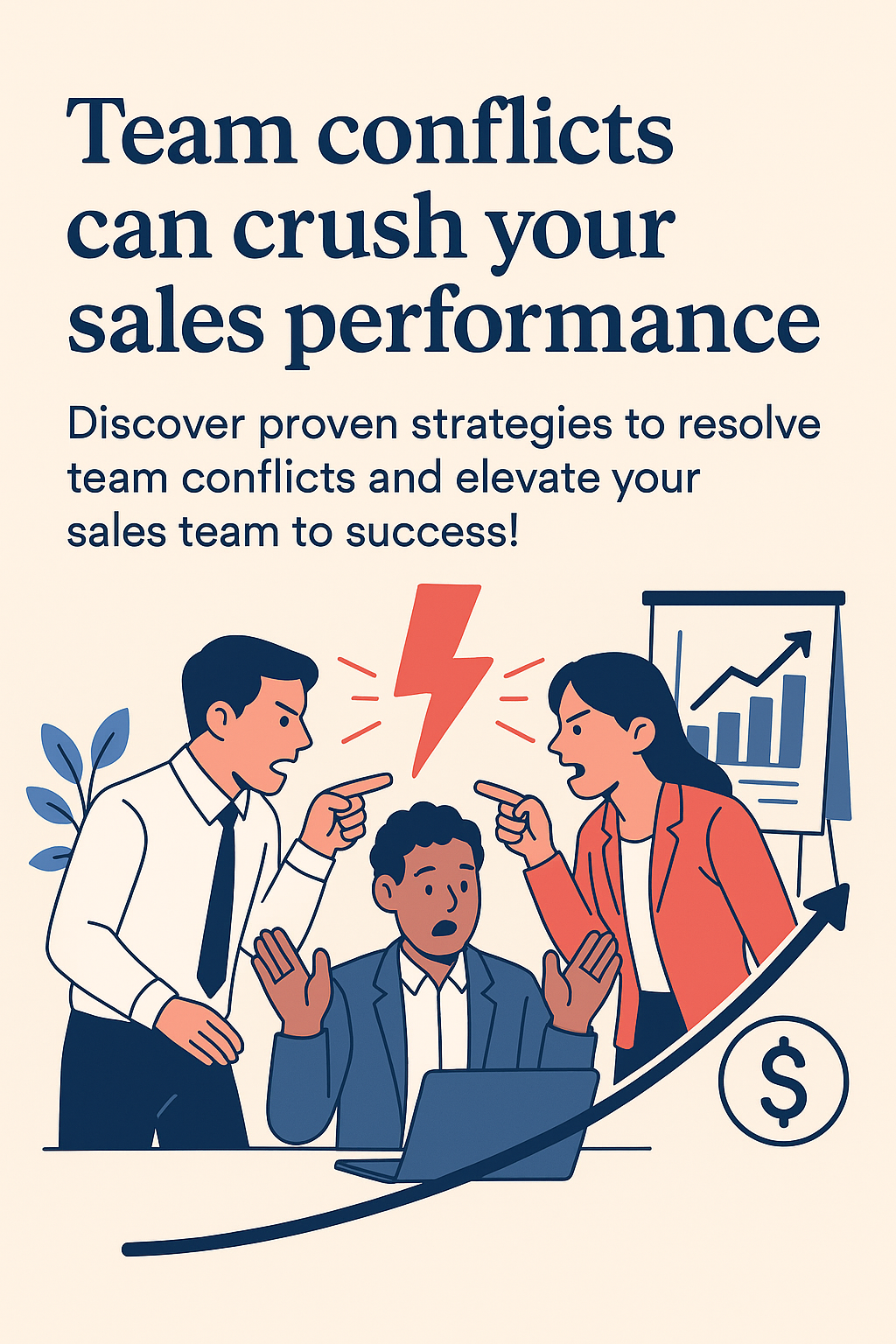
Team conflicts can crush your sales performance. Discover proven strategies to resolve team conflicts and elevate your sales team to success!

Understand the Importance of Resolving Team Conflicts in Sales

Sales leaders know that team conflicts can derail your sales success. When team members disagree, it creates a toxic environment that slows down productivity and can even drive away your top talent. Conflicts can arise from misunderstandings, personality clashes, or competition for leads and recognition. The key here is not to ignore them but to tackle them head-on. If you want to boost your sales performance, you must learn how to resolve team conflicts sales effectively.

Recognize the Signs of Team Conflict

Before you can resolve team conflicts, you need to recognize the signs. Are team members avoiding each other? Is communication breaking down? Do you hear whispers of frustration during meetings? These are red flags. For example, if you notice that two of your top salespeople are no longer collaborating on leads, it’s time to dig deeper.

Conflicts often manifest in subtle ways. Maybe there’s tension during team meetings, or perhaps you’ve seen a decline in overall morale. Keep your eyes peeled for shifts in behavior. According to a study by the Gartner Group, unresolved conflicts can lead to a 50% drop in team performance. That’s not just a statistic; it’s a call to action!

Open the Lines of Communication

Once you recognize conflicts, the next step is to open the lines of communication. Create a safe space for team members to express their concerns. This might mean holding one-on-one meetings or facilitating a team workshop. Make sure everyone knows their voice matters.

Try using a structured approach like the “I feel” statement. For example, instead of saying, “You never share your leads,” a team member could say, “I feel overlooked when leads aren’t shared.” This kind of phrasing can help reduce defensiveness and encourage open dialogue. Be ready to listen actively and without judgment. Sometimes just giving people a chance to vent can clear the air.

Encourage Collaboration Over Competition

Sales teams can often fall into the trap of unhealthy competition. While a little competition can drive performance, too much can create animosity. Instead of pitting team members against each other, foster a culture of collaboration.

Consider implementing team-based goals alongside individual targets. For instance, if your team exceeds a collective sales goal, everyone gets a bonus. This encourages team members to work together rather than against each other. As a sales leader, it’s your job to emphasize that everyone wins when the team succeeds. McKinsey research shows that teams who collaborate effectively can outperform their peers by 25%!

Set Clear Expectations and Roles

A significant source of conflict is ambiguity. When team members don’t know their roles or what’s expected of them, it can lead to frustration. Define each person’s responsibilities clearly. Use team meetings to discuss each role and how they contribute to the overall sales strategy.

For example, if one member is responsible for lead generation while another focuses on closing deals, make sure they understand how their efforts complement each other. This clarity will reduce friction and allow team members to support one another. HubSpot suggests that clarity in roles can improve team performance by 30%. That’s a huge boost!

Conduct Regular Team Building Activities

Team building isn’t just for fun; it’s a critical component of conflict resolution. When team members bond outside of work, they build trust. Trust is essential for open communication and collaboration. Organize activities that encourage teamwork, like escape rooms or sales strategy brainstorming sessions.

For instance, you could hold a monthly lunch-and-learn where team members share successful strategies or lessons learned from failed pitches. This not only builds camaraderie but also allows team members to learn from each other. Think about it: when people feel connected, they’re less likely to let small disagreements escalate into major conflicts.

Address Conflicts Early

Don’t let conflicts fester. The longer you wait to address issues, the bigger they become. Have a zero-tolerance policy for unresolved conflicts. When you spot a disagreement, address it immediately. Pull the involved parties aside and facilitate a conversation.

For example, if two team members are arguing over a client, sit them down together and guide them through a discussion. Help them find common ground. Don’t let them walk away until they have a plan to work together moving forward. It might feel uncomfortable at first, but it’s your duty as a leader to ensure conflicts don’t linger.

Provide Training on Conflict Resolution

Investing in conflict resolution training can pay off big time. Equip your team with the skills they need to handle conflicts themselves. This can include training on negotiation skills, active listening, and emotional intelligence. When team members learn how to manage conflicts, they become more self-sufficient and less reliant on you.

Consider bringing in a professional trainer or utilizing online resources. Companies like OpenView provide excellent training materials that can help your team become more adept at resolving conflicts. When your team is empowered, it leads to a stronger, more resilient sales force.

Monitor Progress and Celebrate Successes

After implementing these strategies, it’s crucial to monitor progress. Check in regularly to see how team dynamics are evolving. Are team members collaborating more effectively? Are conflicts decreasing? Use surveys or feedback sessions to gauge the atmosphere in your sales team.

When you see improvements, celebrate them! Recognize teams or individuals who demonstrate effective conflict resolution. This not only reinforces positive behavior but also motivates others to follow suit. Remember, culture is built on recognition. A simple shout-out in a team meeting can go a long way.

Conclusion: Take Action Now!

Resolving team conflicts isn’t just a nice-to-have; it’s a must for sales success. As a sales leader, you have the power to create an environment where conflicts are addressed openly and effectively. Start implementing these strategies today. The sooner you take action, the faster you’ll see improvements in your team’s performance. Don’t wait for conflicts to escalate; tackle them head-on and watch your sales soar!

When Should You Promote a Sales Rep into a Leadership Position?

Wondering when to promote your top sales rep into a leadership role? Uncover the key signs and strategies to make the right decision for your team’s success!

Deciding to promote a sales rep into leadership is a big deal. You’re not just changing their job title; you’re affecting your entire team’s dynamics and future success. So, when is the right time to make this leap? It’s more than just having a great sales record. Let’s dive into the signs that indicate your top performer is ready for a leadership role.

First off, let’s talk about performance. Sure, your sales rep might be crushing their targets, but that’s just one piece of the puzzle. Look at the numbers. A sales rep hitting 150% of their quota is impressive, but are they also contributing to team morale? Are they helping others improve? They might be a star on their own, but can they shine a light on others? This is where real leadership begins.

Think about it. A great sales rep can close deals, but a great leader can build a team. They should have a track record of helping teammates, whether it’s through mentoring or sharing best practices. If they’re always willing to lend a hand or share insights, that’s a solid indicator they might be ready to lead.

Next up, communication skills. This is crucial. A top sales rep should be able to articulate ideas clearly, not just in sales pitches but in team meetings too. Are they good at listening? Do they facilitate discussions? Communication isn’t just about talking; it’s about understanding. As McKinsey research shows, effective communication is a key leadership trait. If your sales rep excels here, they’re likely to succeed in a leadership role.

Now, let’s get into the emotional intelligence (EI) game. Leaders with high EI can navigate tough conversations, resolve conflicts, and inspire their team. Ask yourself: does your rep show empathy? Can they read the room? If they can connect with others on an emotional level, they’re well on their way to being a great leader. They need to understand that leadership isn’t just about hitting numbers; it’s about people.

Have they shown initiative? A sales rep ready for promotion should not only take responsibility for their own performance but also seek out opportunities to improve the team. If they’re proposing new strategies or volunteering for projects that enhance team performance, that’s a clear sign they’re thinking beyond their individual success.

Let’s not forget about adaptability. The sales landscape is always changing. If your rep can pivot strategies, learn new tools, and embrace change, they’re showing the flexibility needed for a leadership role. According to HubSpot, adaptability is one of the top skills for leaders in today’s fast-paced environment. If they thrive in uncertainty, it’s time to consider them for promotion.

So, when you see these qualities, it’s time to ask yourself: does this person align with our company values? A leader should embody what your organization stands for. If your sales rep shares the same vision and mission, they’re more likely to inspire others to follow suit. You want a leader who can rally the troops around a common goal.

Now, here’s a tough love moment: don’t promote someone just because they’re your top sales rep. It’s tempting, but it’s a mistake many founders make. Not everyone who excels in sales will excel in leadership. That’s a hard truth. Make sure you evaluate their potential, not just their past performance.

Consider offering them a trial leadership role. This could be a project where they lead a small team or manage a specific initiative. This trial period will give you insight into their leadership capabilities. Do they rise to the occasion, or do they struggle? You’ll gain valuable information about their fit for a permanent role.

Lastly, have a conversation about their career goals. They might love being in sales and have no interest in leading others. If that’s the case, don’t force them into a role they don’t want. A leader must be passionate about leading. If they’re excited about the possibility, that’s a good sign.

In conclusion, promoting a sales rep into leadership isn’t just about their sales numbers. It’s about a mix of performance, emotional intelligence, communication skills, and alignment with your company values. Look for those signs, and don’t rush the decision. This is about the future of your team. Make it count!

How to Train Your Sales Team to Effectively Handle Objections

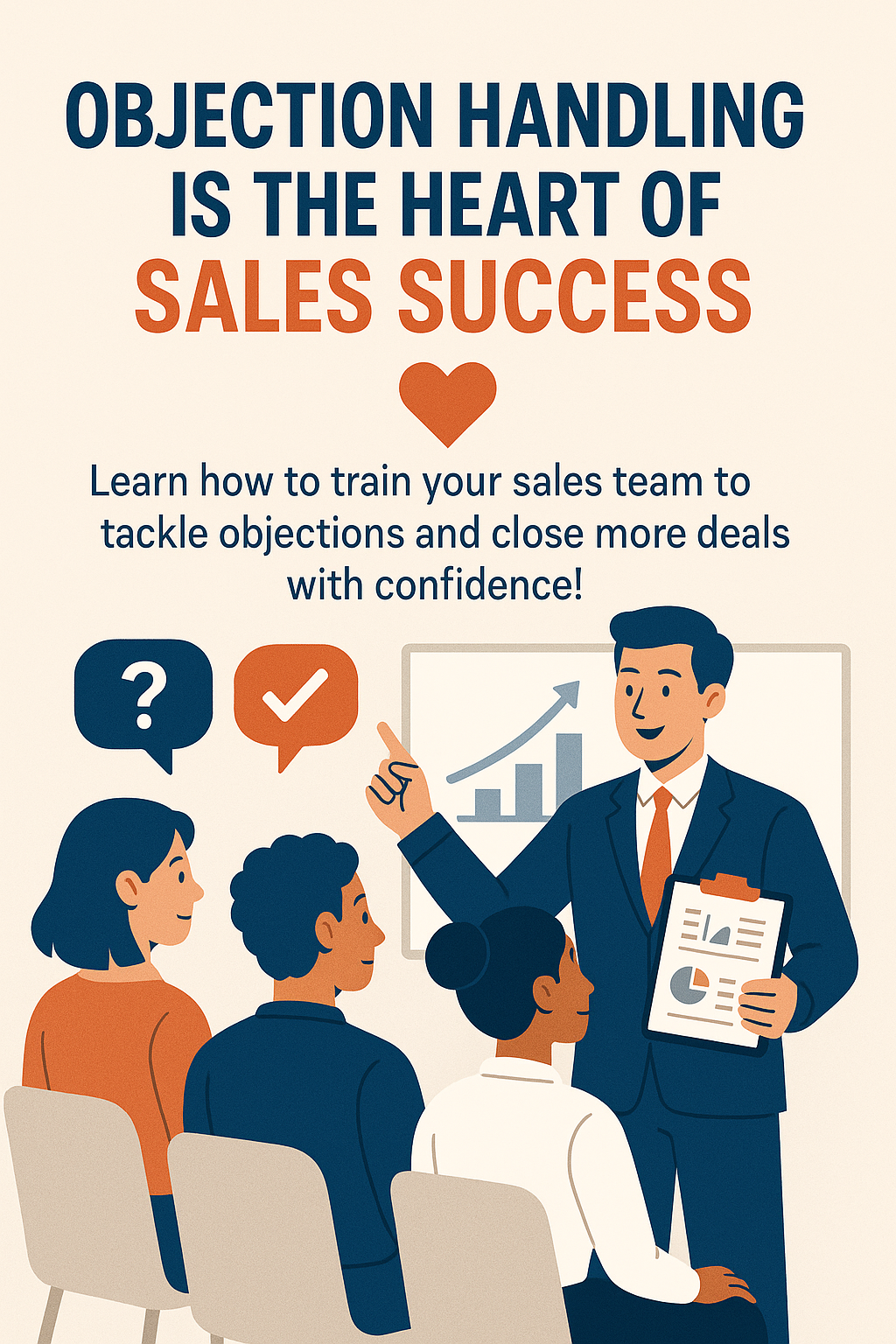
Objection handling is not just a skill—it’s the heart of sales success. Learn how to train your sales team to tackle objections and close more deals with confidence!

Why Objection Handling Matters

Every sales leader knows this truth: objections are part of the game. They aren’t a roadblock; they’re an opportunity. When your sales team knows how to effectively handle objections, they don’t just sell products—they build relationships. This is crucial because, according to Harvard Business Review, 60% of customers cite objections as a reason for not purchasing. If your team can tackle these head-on, they can transform skepticism into trust.

Understanding Common Objections

Before you train your sales team to handle objections, they need to know what they’re up against. There are several common objections that your team will likely encounter:

  • Price: “It’s too expensive!” This is the most common one. Customers often feel they can’t justify the cost.
  • Need: “I don’t need this right now.” Timing is everything; sometimes customers just aren’t ready.
  • Trust: “I’ve never heard of your company.” Building credibility is key.
  • Comparison: “I can get this cheaper elsewhere.” Price is always a factor, but value is what you need to emphasize.

Every objection is a cue for your team to delve deeper. When they understand the root cause of these objections, they can respond more effectively.

Training Techniques to Equip Your Sales Team

Now, let’s dive into the nitty-gritty of how to train your sales team to handle objections like pros. Here are proven techniques that can make a huge difference.

1. Role-Playing

Nothing beats practice. Role-playing can simulate real-life scenarios where your sales reps can practice objection handling. For example, set up mock calls where one person plays the salesperson and the other plays a skeptical customer. Switch roles and repeat. This not only builds confidence but also helps your team think on their feet.

Make it competitive! Create scenarios where reps earn points for the best handling of objections. This adds excitement and mimics high-pressure situations.

2. Use Real Objections

Gather actual objections your team has encountered in the field. This is where experience meets training. Use these as case studies. Discuss what worked and what didn’t. For instance, if a rep struggled with a price objection, analyze how they could have reframed their response. This isn’t just theory; it’s real-world learning.

3. Teach Active Listening

To effectively handle objections, your sales team must listen. Active listening means they’re fully engaged in what the customer is saying. Encourage your team to ask clarifying questions. For example, instead of jumping straight to a counter-argument, they might say, “I understand that the price is a concern for you. Can you share what budget you had in mind?” This approach shows empathy and opens the door for dialogue.

4. Provide Objection Handling Scripts

Scripts aren’t just for telemarketers. They can serve as a guideline for your team. Develop a bank of objection handling scripts that your team can refer to. These should include common objections and effective responses. For example, if a customer says, “I need to think about it,” a good response might be, “I completely understand. What specific concerns do you have that we can address today?” This keeps the conversation going.

5. Use Data to Back Up Responses

Facts and figures can help solidify your case. Train your team to use data to counter objections. For example, if a customer is hesitant about price, your rep could say, “I understand that it seems pricey. However, our customers have seen a 30% increase in productivity after using our product. Wouldn’t that be worth the investment?” This approach is powerful and persuasive.

6. Continuous Learning

Training should never stop. The market changes, and so do customer needs. Host regular training sessions where your team can share their experiences and learn from each other. Consider bringing in guest speakers or industry experts who can provide fresh insights. This keeps your team sharp and ready for anything.

Encouraging a Growth Mindset

Fostering a culture of learning and resilience is critical. Encourage your team to view objections not as failures but as stepping stones to success. Remind them that every “no” brings them one step closer to a “yes.” Share success stories from within the team or from industry leaders who turned objections into opportunities. This can be incredibly motivating.

Measuring Success

Finally, how do you know if your training is effective? Set clear metrics to measure success. Look at conversion rates before and after training sessions. Are your reps closing more deals? Are they handling objections more smoothly? These indicators will show you what’s working and what needs adjustment. According to Forrester’s research, companies that invest in comprehensive sales training see a 20% increase in productivity.

Conclusion

Training your sales team to handle objections effectively isn’t just about tactics; it’s about building confidence and resilience. Equip them with the skills they need, and watch as they transform objections into opportunities. Remember, each objection is a chance to showcase the value of your product. Your team’s ability to handle these challenges can lead to higher close rates and, ultimately, more success. Don’t wait. Start implementing these techniques today!